100 Chinese Woad Isatis Indigotica Seed Dyers Woad Glastum seeds natural dye dyeing plant
100 seeds per packet.
I cannot ship Woad seed to these states because they are listed as an invasive/noxious weed: Arizona, California, Colorado, Idaho, Montana, Nevada, New Mexico, Oregon, Utah, Washington, Wyoming
Woad seems to prefer arid places and seems to spread more rapidly in these states.
Chinese Woad is Isatis Indigotica........while European Woad is Isatis Tinctoria. Chinese Woad is said to contain more indigotin than European Woad, and while a small experiment seemed to verify that.....I felt that the final differences may be negligible. I have read that you should not transplant Chinese woad because it will make it flower in the first year, but I transplanted seedlings and none had the slightest desire to go to seed. The reason to sew these seeds straight in the ground, is that the plant is a heavy feeder with a long tap root that need well-watered and wouldn't like to be moved if the plant is very old.
Chinese Woad rosettes are a bit slighter than European woad, but again, they are supposed to contain more indigotin. I found that my Chinese woad plants bloomed earlier than the European Woad.....so early that I really worried about the hard frosts killing the flower stalks, but no worries!......they weren't bothered!
A simple way to dye fiber with woad, is to gather the leaves and with some salt....knead the fabric or yarn together with the salt and fresh leaves. You soon will see the blue-ish green color come out of the leaves and turn more blue as it is in the air. You can also extract the color by following the instructions on how to do a woad dye vat. In the pictures, you will see yarn that has been dyed, just by crushing fresh leaves with salt and wool yarn.
Isatis Indigotica is a Biennial and can be a perennial. In the first year it grows a rosette of leaves on the ground, and the leaves contain the most indigotin the first year of growth. In the 2nd year, the rosette will end up flower stalks 3-4' high which will flower abundant yellow flowers that smell like honey. Pollinating insects love them! Then slowly the flowers give way to hanging green seed pods along the stem, and as the seeds mature, they turn black.
Isatis Indigotica is hardy to zone 6-7 and can withstand frost and the freezing tempeartures of Zone 6 and 7.
These seeds are grown in my gardens and collected.
I will include an informational sheet on woad with your purchase.
The yarn in the pictures that is white, with just a little bit of blue, was an experiment with 1 leaf of European woad, Isatis Tinctoria, versus 1 leaf of Chinese woad. You can see how much color one single leaf of each left on the yarn. Chinese woad is said to contain a little more blue in it than European woad, despite being a smaller plant.
The picture showing 2 full skeins of yarn side by side, shows European woad on the skein on the left and Chinese woad was used with salt and fresh leaves to dye the skein on the right. So, you can see a little difference between the two, using the same amount of leaves. The skeins are still wet in the pictures, and once washed and dried, the difference between the two was negligible.
Seeds cannot be shipped outside of the US.
100 seeds per packet.
I cannot ship Woad seed to these states because they are listed as an invasive/noxious weed: Arizona, California, Colorado, Idaho, Montana, Nevada, New Mexico, Oregon, Utah, Washington, Wyoming
Woad seems to prefer arid places and seems to spread more rapidly in these states.
Chinese Woad is Isatis Indigotica........while European Woad is Isatis Tinctoria. Chinese Woad is said to contain more indigotin than European Woad, and while a small experiment seemed to verify that.....I felt that the final differences may be negligible. I have read that you should not transplant Chinese woad because it will make it flower in the first year, but I transplanted seedlings and none had the slightest desire to go to seed. The reason to sew these seeds straight in the ground, is that the plant is a heavy feeder with a long tap root that need well-watered and wouldn't like to be moved if the plant is very old.
Chinese Woad rosettes are a bit slighter than European woad, but again, they are supposed to contain more indigotin. I found that my Chinese woad plants bloomed earlier than the European Woad.....so early that I really worried about the hard frosts killing the flower stalks, but no worries!......they weren't bothered!
A simple way to dye fiber with woad, is to gather the leaves and with some salt....knead the fabric or yarn together with the salt and fresh leaves. You soon will see the blue-ish green color come out of the leaves and turn more blue as it is in the air. You can also extract the color by following the instructions on how to do a woad dye vat. In the pictures, you will see yarn that has been dyed, just by crushing fresh leaves with salt and wool yarn.
Isatis Indigotica is a Biennial and can be a perennial. In the first year it grows a rosette of leaves on the ground, and the leaves contain the most indigotin the first year of growth. In the 2nd year, the rosette will end up flower stalks 3-4' high which will flower abundant yellow flowers that smell like honey. Pollinating insects love them! Then slowly the flowers give way to hanging green seed pods along the stem, and as the seeds mature, they turn black.
Isatis Indigotica is hardy to zone 6-7 and can withstand frost and the freezing tempeartures of Zone 6 and 7.
These seeds are grown in my gardens and collected.
I will include an informational sheet on woad with your purchase.
The yarn in the pictures that is white, with just a little bit of blue, was an experiment with 1 leaf of European woad, Isatis Tinctoria, versus 1 leaf of Chinese woad. You can see how much color one single leaf of each left on the yarn. Chinese woad is said to contain a little more blue in it than European woad, despite being a smaller plant.
The picture showing 2 full skeins of yarn side by side, shows European woad on the skein on the left and Chinese woad was used with salt and fresh leaves to dye the skein on the right. So, you can see a little difference between the two, using the same amount of leaves. The skeins are still wet in the pictures, and once washed and dried, the difference between the two was negligible.
Seeds cannot be shipped outside of the US.

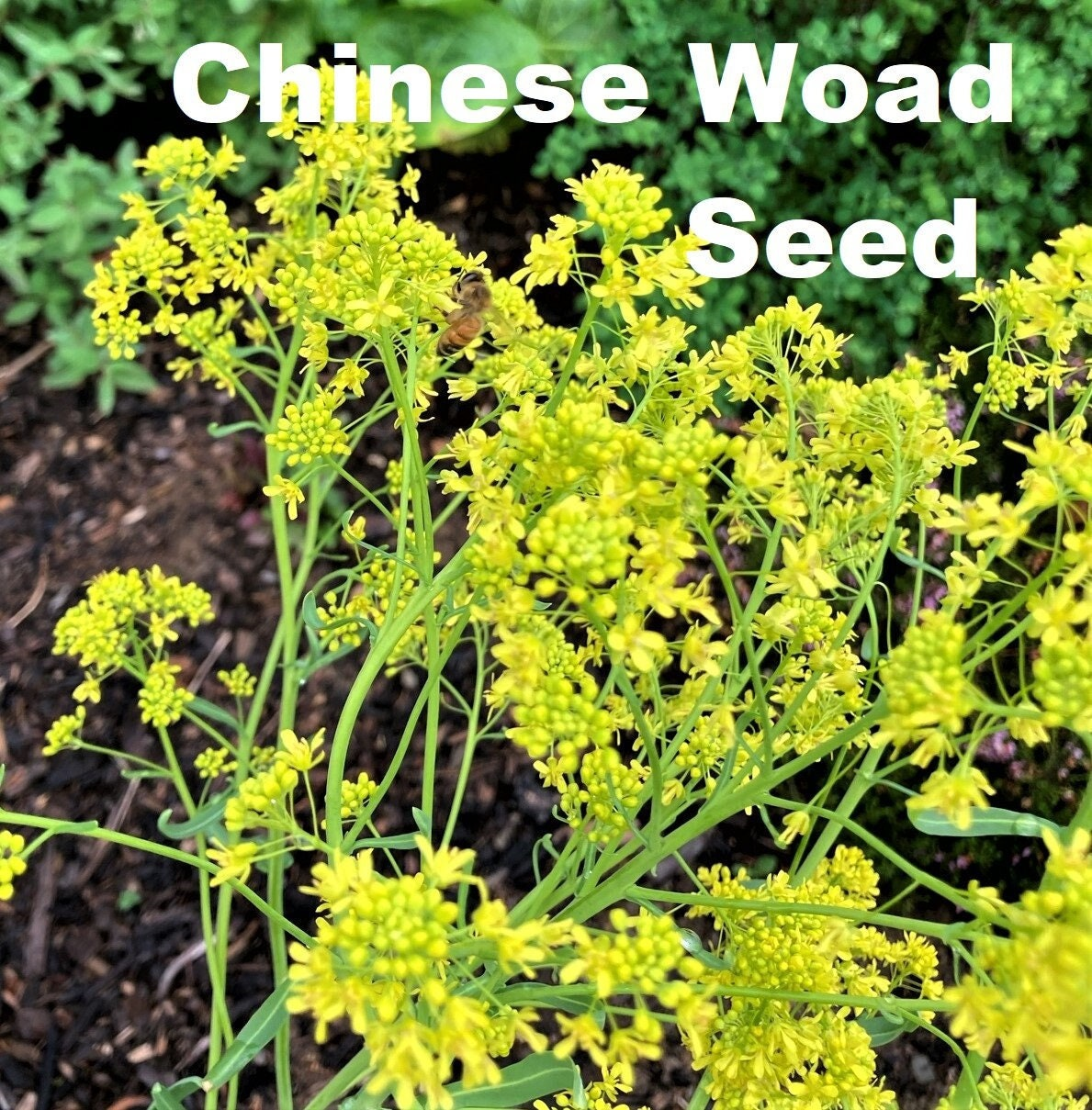 Image 1 of 9
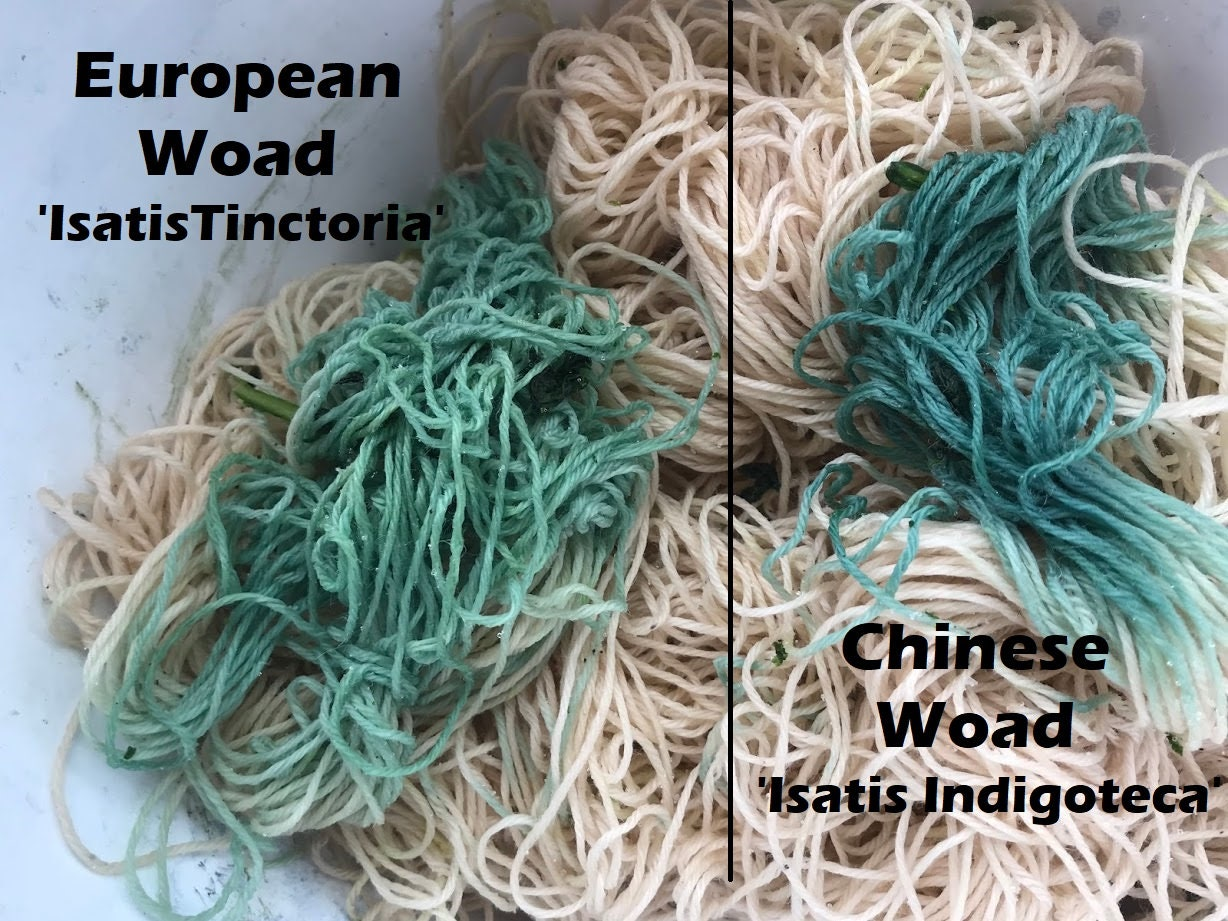 Image 2 of 9
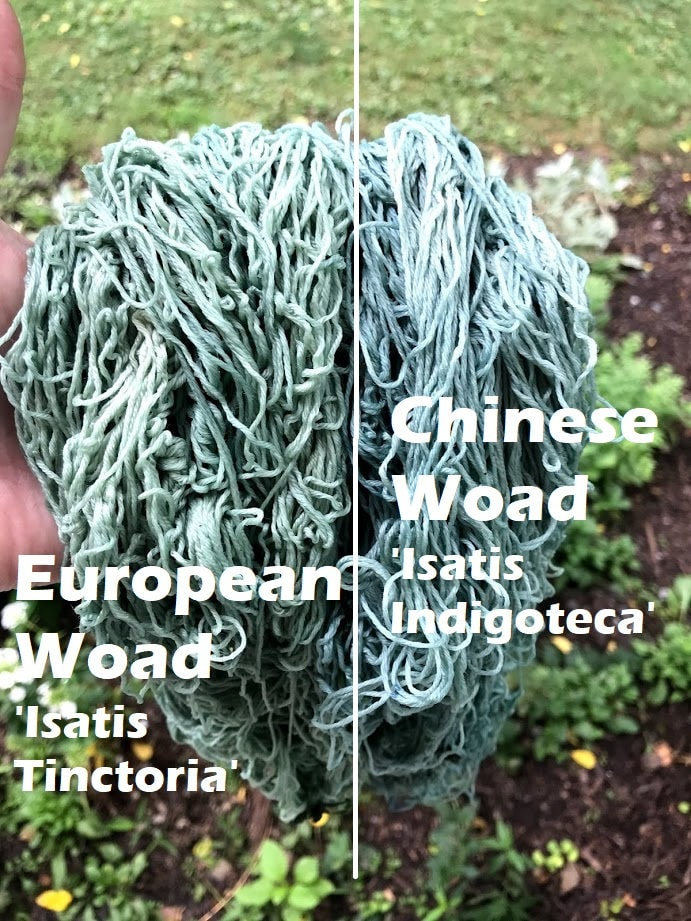 Image 3 of 9
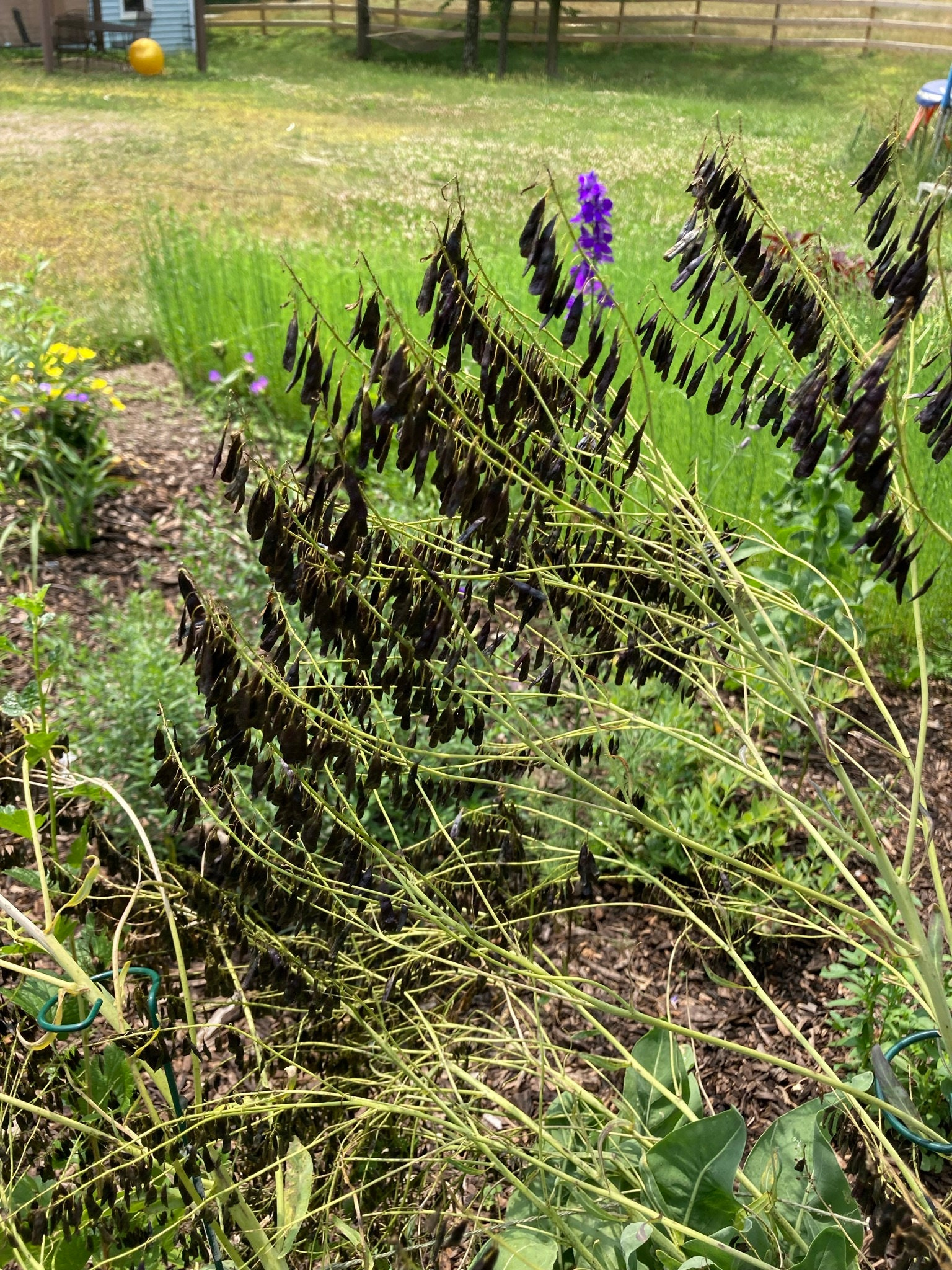 Image 4 of 9
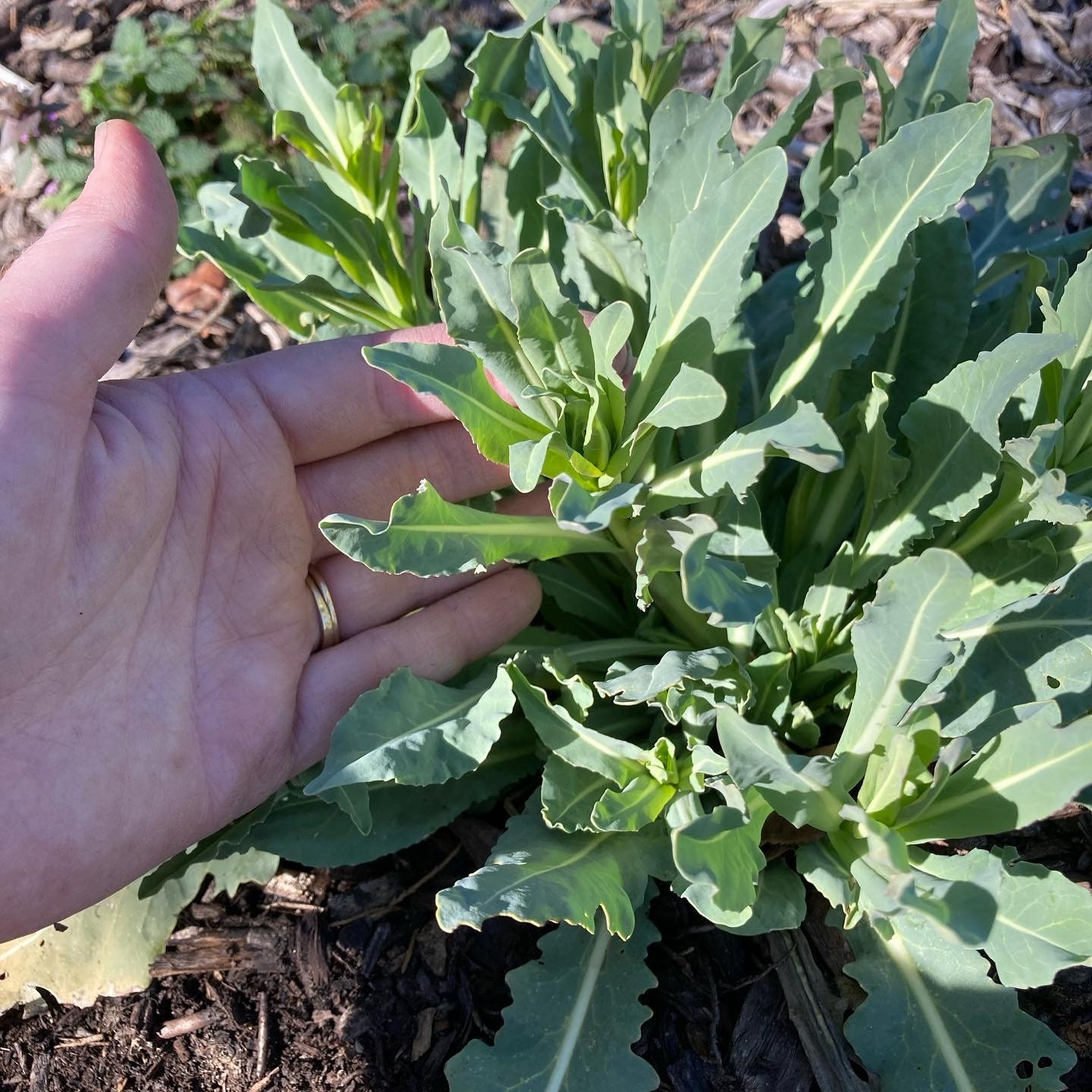 Image 5 of 9
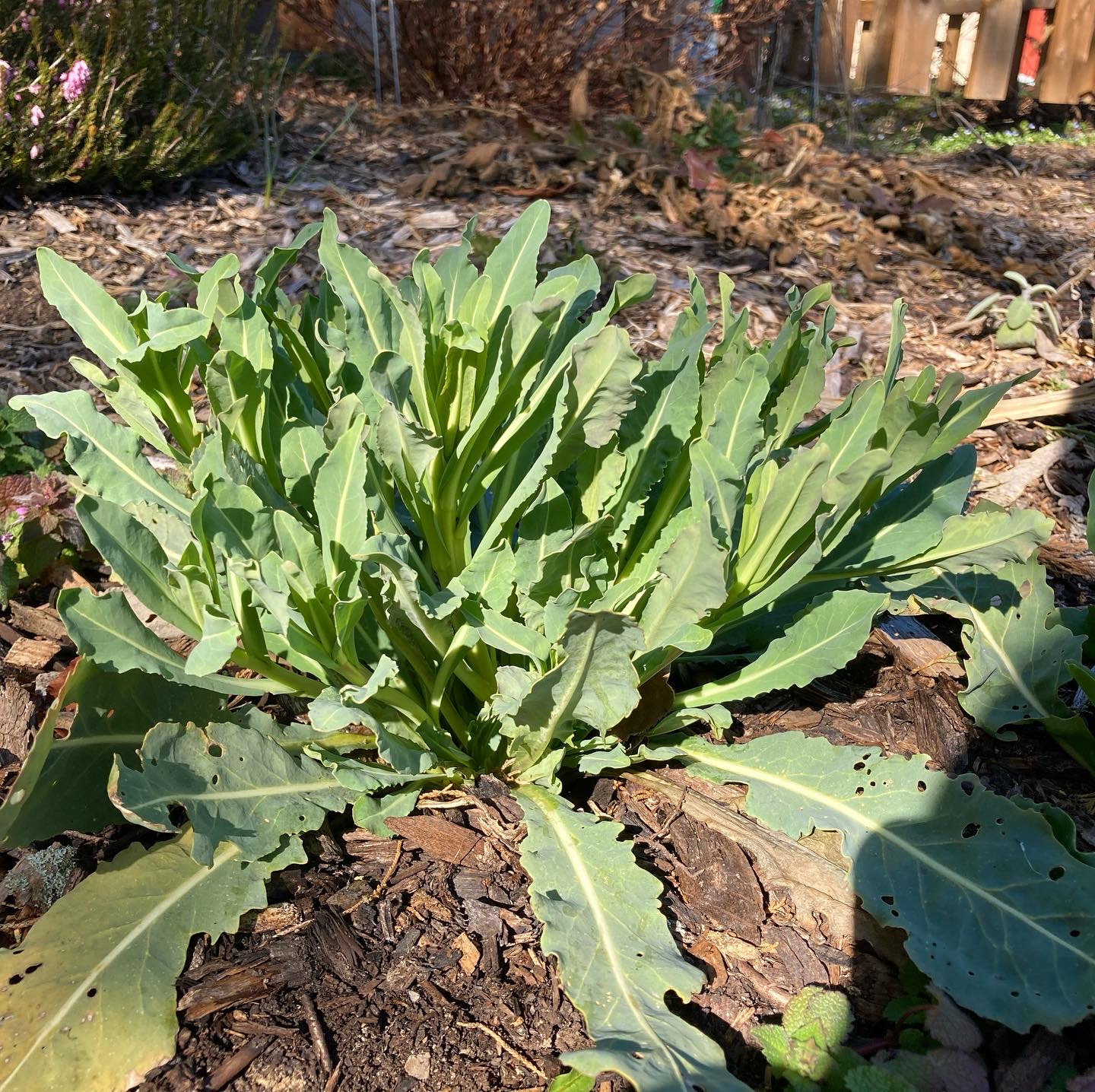 Image 6 of 9
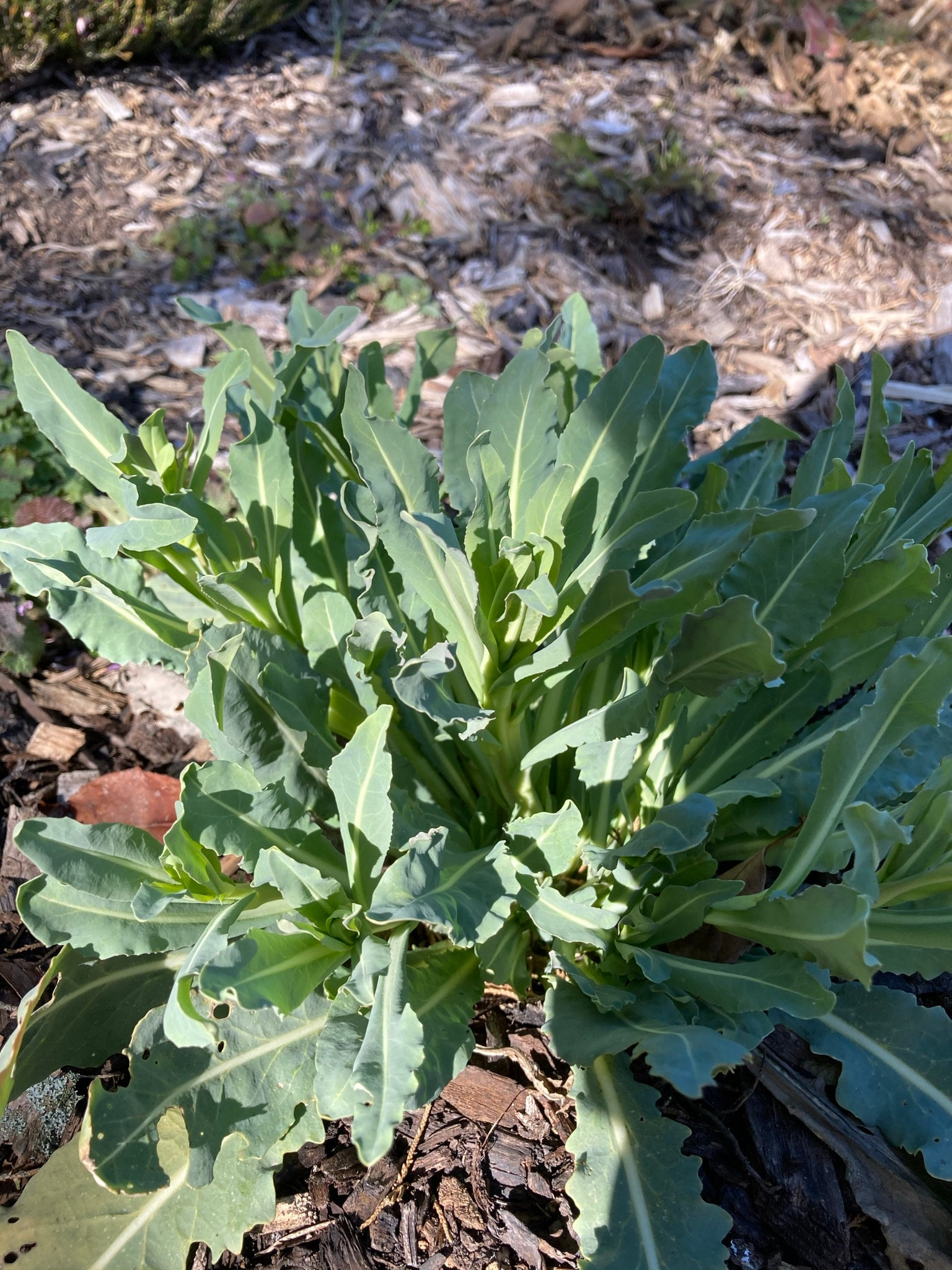 Image 7 of 9
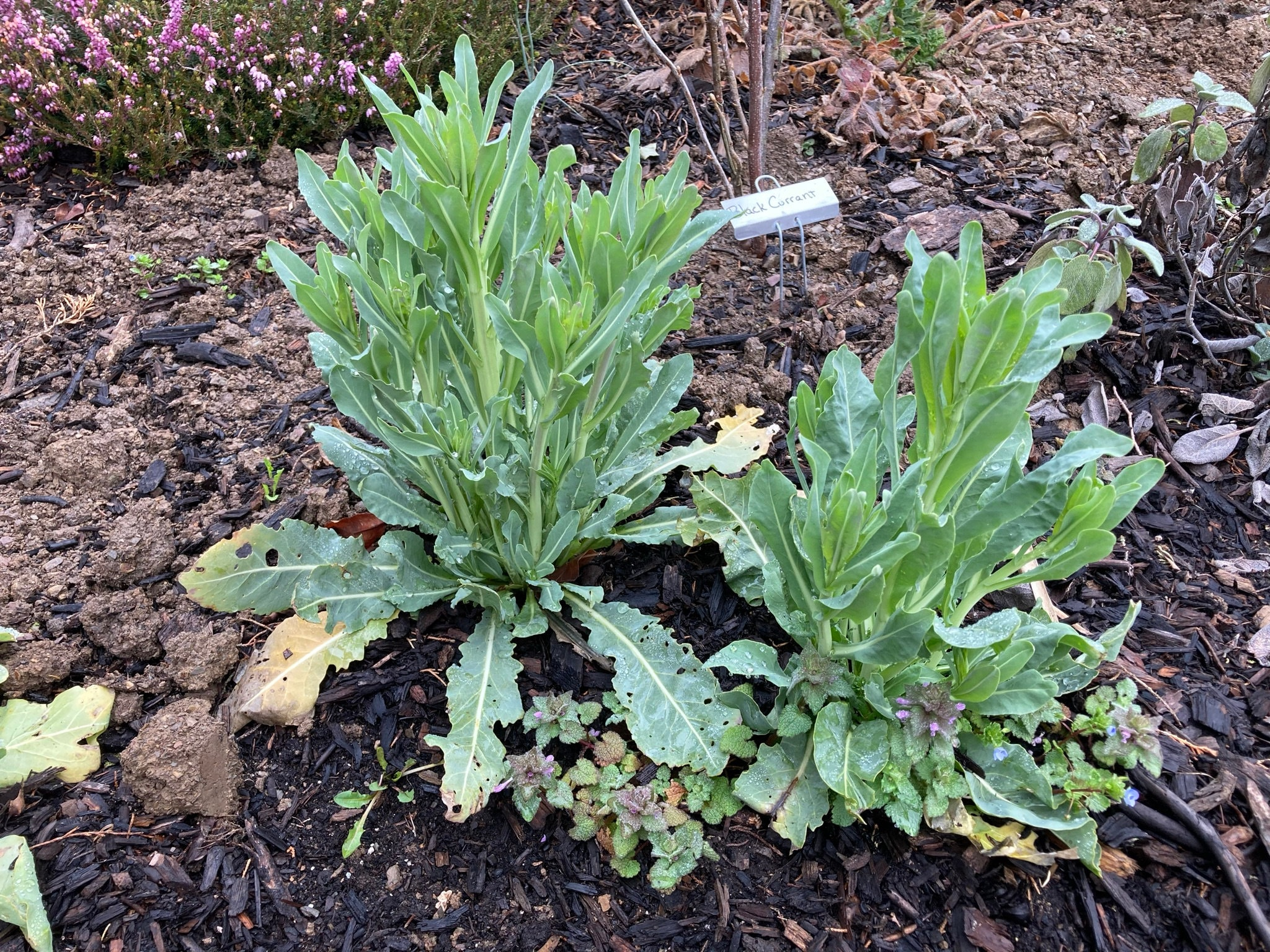 Image 8 of 9
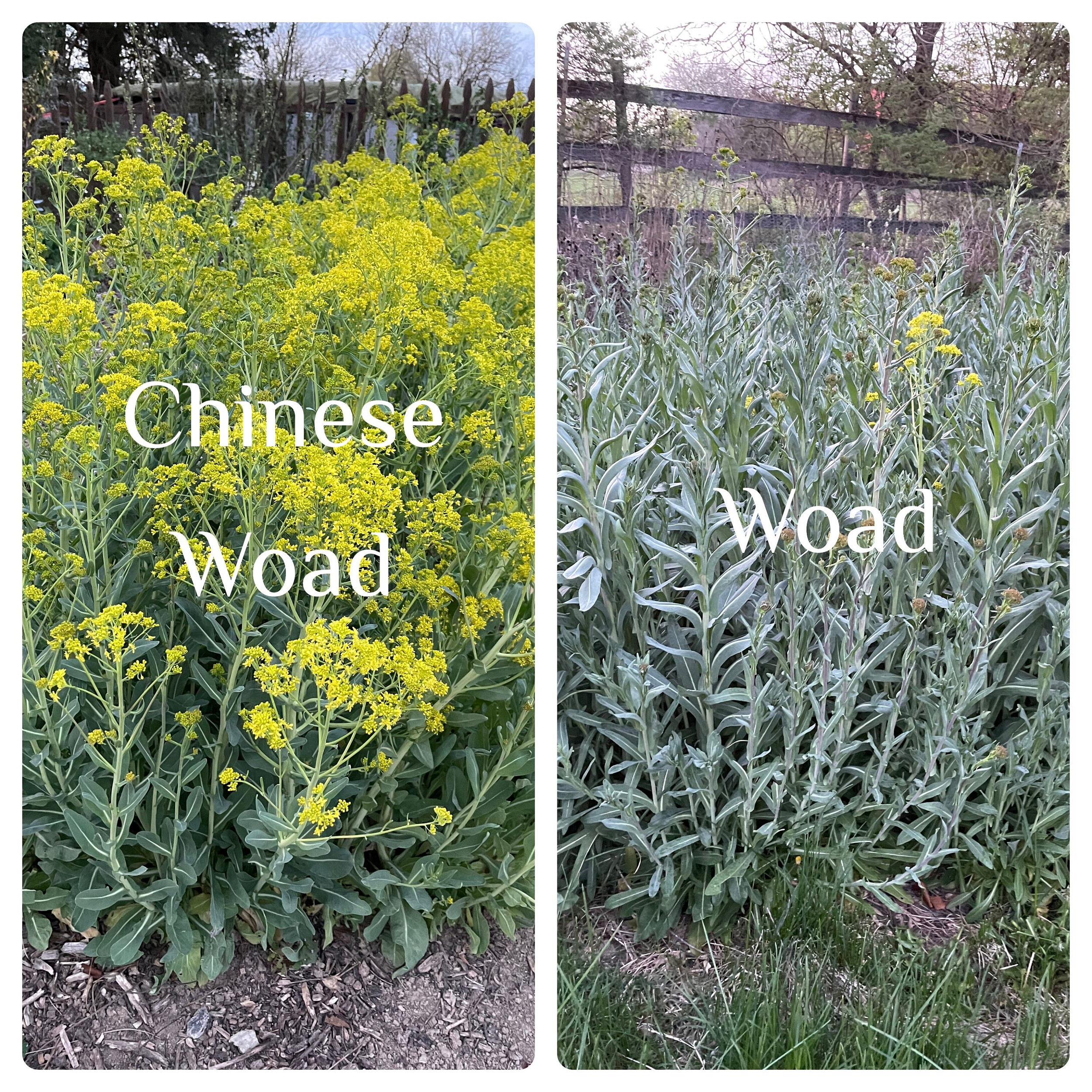 Image 9 of 9