100 Woad Isatis Tinctoria Seed Dyers Woad Glastum seeds natural dye dyeing plant
100 seeds per packet.
I cannot ship Woad seed to these states because they are listed as an invasive/noxious weed: Arizona, California, Colorado, Idaho, Montana, Nevada, New Mexico, Oregon, Utah, Washington, Wyoming
Woad seems to prefer arid places and seems to spread more rapidly in these states.
Isatis Tinctoria is known commonly as dyer's woad and has been used for millennia as a source of blue dye (indigotin). It has even been said to be used medicinally, and still is. A simple way to dye fiber with woad, is to gather the leaves and with some salt....knead the fabric or yarn together with the salt and fresh leaves. You soon will see the blue-ish green color come out of the leaves and turn more blue as it is in the air. You can also extract the color by following the instructions on how to do a woad dye vat.
Isatis Tinctoria is a Biennial and can be a perennial. In the first year it grows a rosette of leaves on the ground, and the leaves contain the most indigotin the first year of growth. In the 2nd year, the rosette will end up flower stalks 3-4' high which will flower abundant yellow flowers that smell like honey. Pollinating insects love them! Then slowly the flowers give way to hanging green seed pods along the stem, and as the seeds mature, they turn black.
Isatis Tinctoria is hardy to zone 7 and can withstand frost. Insects do like to nibble at the young woad leaves, but the damage has not been so much that it sets the plant back much or kills it.
I do have some of the plants that flower in the 2nd year, send up more leaves and form another rosette, and continue to grow, while others died out after they went to seed and the seed ripened.
These seeds are grown in my gardens and collected.
I will include an informational sheet on woad with your purchase.
The yarn in the pictures that is white, with just a little bit of blue, was an experiment with 1 leaf of European woad, Isatis Tinctoria, versus 1 leaf of Chinese woad. You can see how much color one single leaf of each left on the yarn. I hope to have Chinese woad seed this year, but we'll see what the plants do! Sometimes it flowers in the same year it is planted. Chinese woad is said to contain a little more blue in it than European woad, despite being a smaller plant.
The picture showing 2 full skeins of yarn side by side, shows European woad on the skein on the left and Chinese woad was used with salt and fresh leaves to dye the skein on the right. So, you can see a little difference between the two, using the same amount of leaves. The skeins are still wet in the pictures, and once washed and dried, the difference between the two was negligible.
Seeds cannot be shipped outside of the US.
100 seeds per packet.
I cannot ship Woad seed to these states because they are listed as an invasive/noxious weed: Arizona, California, Colorado, Idaho, Montana, Nevada, New Mexico, Oregon, Utah, Washington, Wyoming
Woad seems to prefer arid places and seems to spread more rapidly in these states.
Isatis Tinctoria is known commonly as dyer's woad and has been used for millennia as a source of blue dye (indigotin). It has even been said to be used medicinally, and still is. A simple way to dye fiber with woad, is to gather the leaves and with some salt....knead the fabric or yarn together with the salt and fresh leaves. You soon will see the blue-ish green color come out of the leaves and turn more blue as it is in the air. You can also extract the color by following the instructions on how to do a woad dye vat.
Isatis Tinctoria is a Biennial and can be a perennial. In the first year it grows a rosette of leaves on the ground, and the leaves contain the most indigotin the first year of growth. In the 2nd year, the rosette will end up flower stalks 3-4' high which will flower abundant yellow flowers that smell like honey. Pollinating insects love them! Then slowly the flowers give way to hanging green seed pods along the stem, and as the seeds mature, they turn black.
Isatis Tinctoria is hardy to zone 7 and can withstand frost. Insects do like to nibble at the young woad leaves, but the damage has not been so much that it sets the plant back much or kills it.
I do have some of the plants that flower in the 2nd year, send up more leaves and form another rosette, and continue to grow, while others died out after they went to seed and the seed ripened.
These seeds are grown in my gardens and collected.
I will include an informational sheet on woad with your purchase.
The yarn in the pictures that is white, with just a little bit of blue, was an experiment with 1 leaf of European woad, Isatis Tinctoria, versus 1 leaf of Chinese woad. You can see how much color one single leaf of each left on the yarn. I hope to have Chinese woad seed this year, but we'll see what the plants do! Sometimes it flowers in the same year it is planted. Chinese woad is said to contain a little more blue in it than European woad, despite being a smaller plant.
The picture showing 2 full skeins of yarn side by side, shows European woad on the skein on the left and Chinese woad was used with salt and fresh leaves to dye the skein on the right. So, you can see a little difference between the two, using the same amount of leaves. The skeins are still wet in the pictures, and once washed and dried, the difference between the two was negligible.
Seeds cannot be shipped outside of the US.

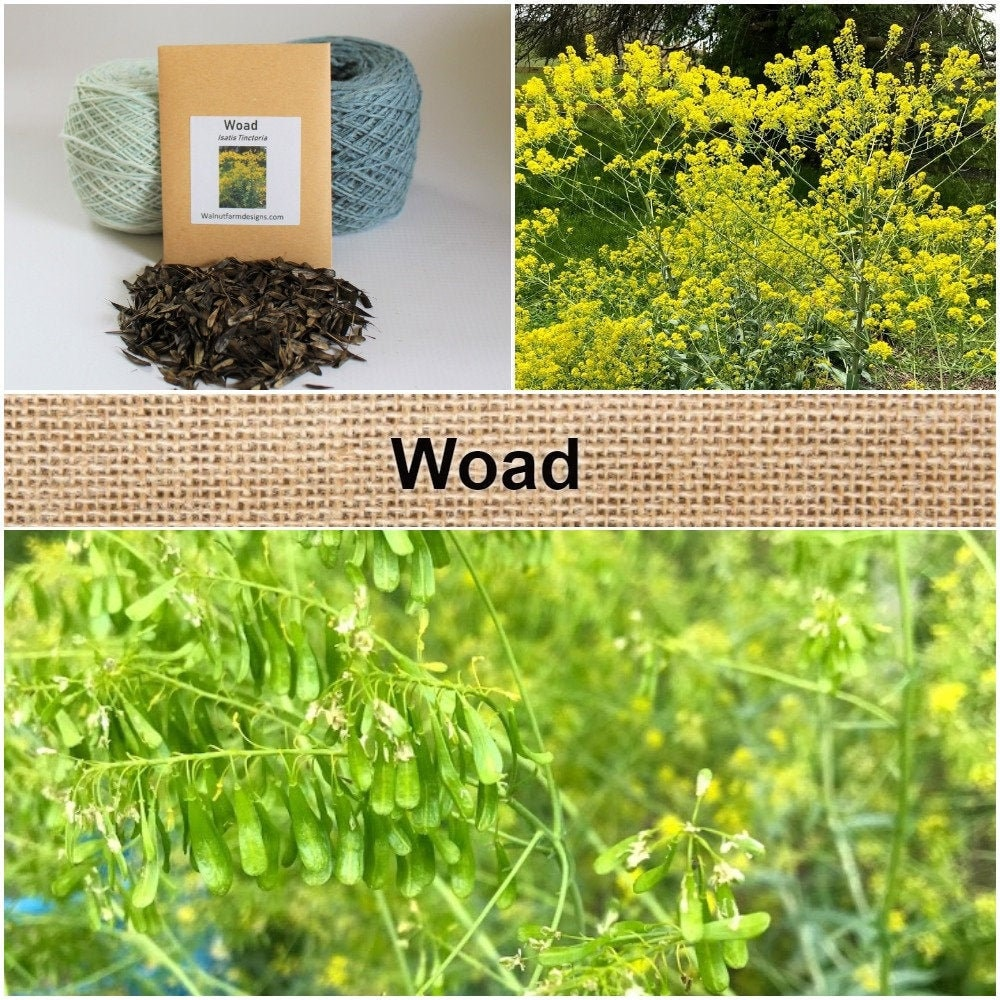 Image 1 of 10
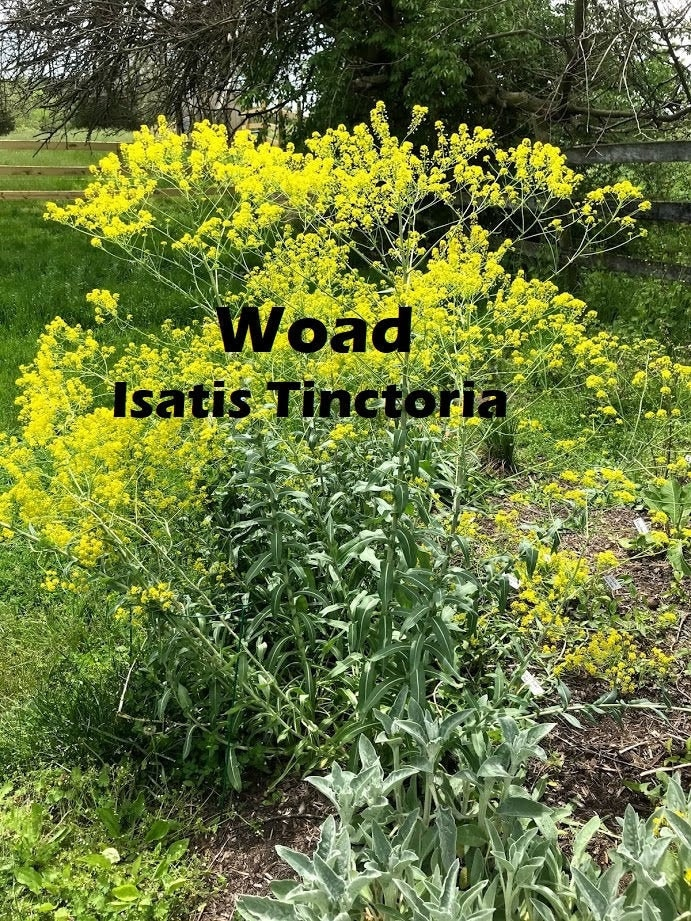 Image 2 of 10
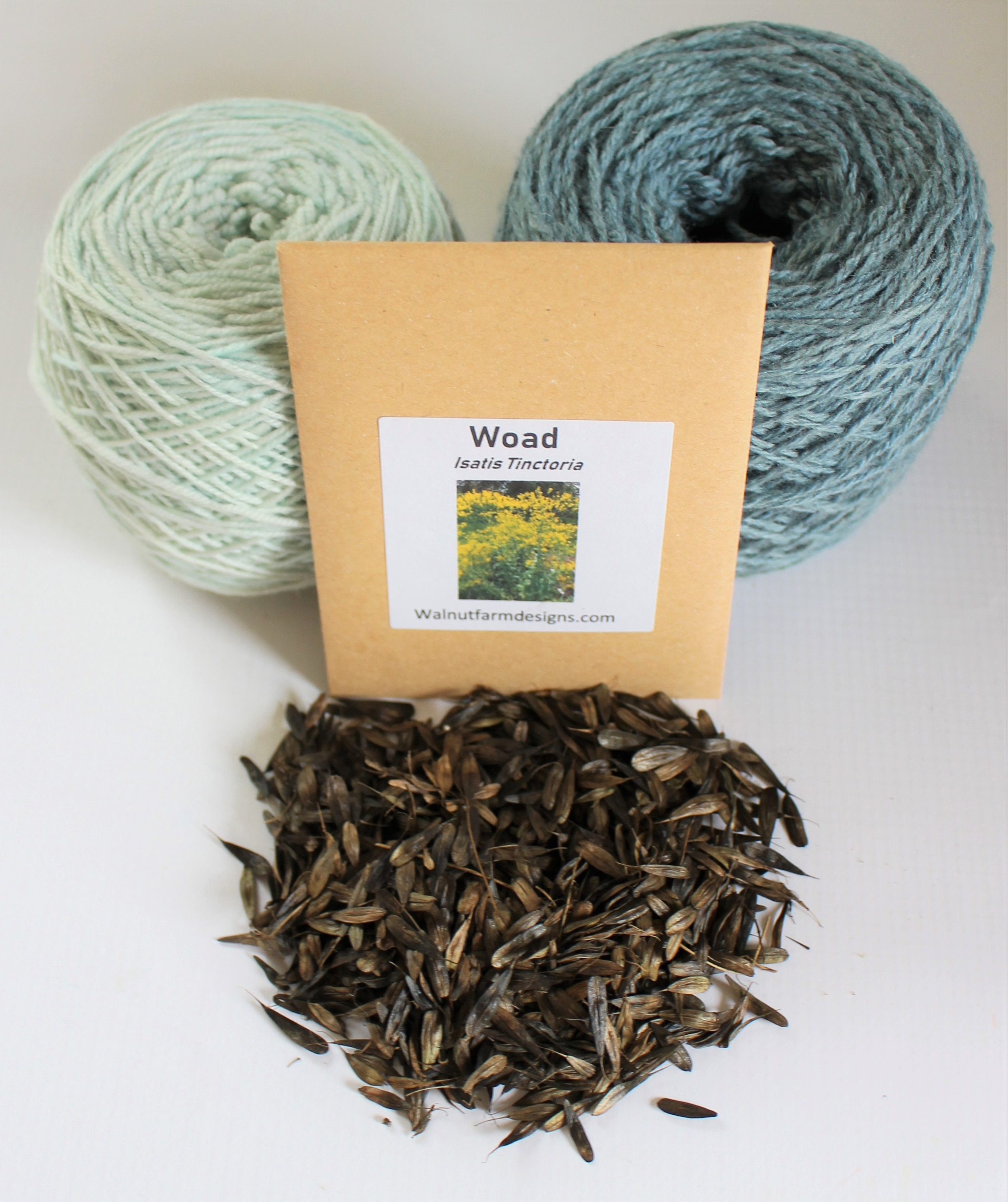 Image 3 of 10
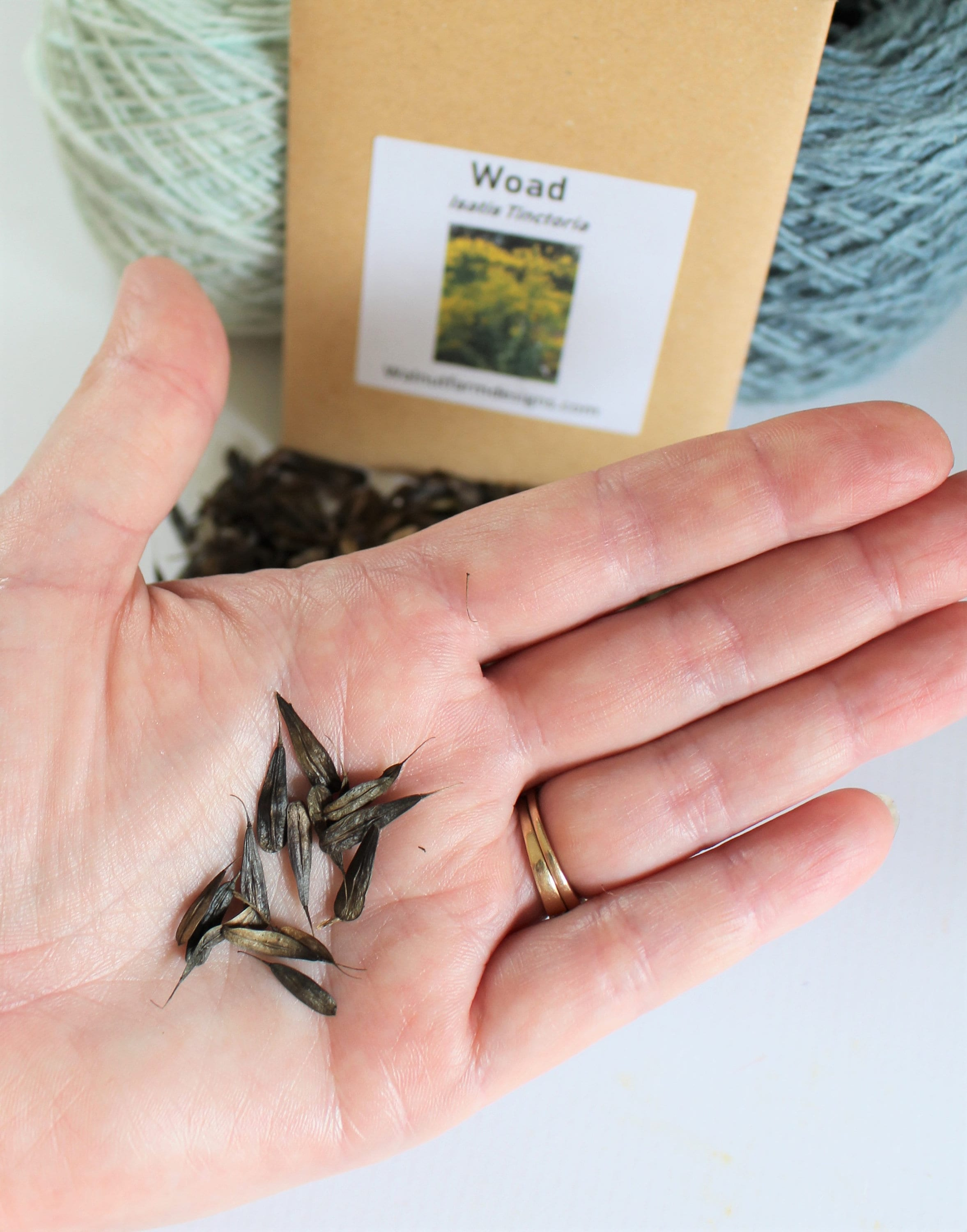 Image 4 of 10
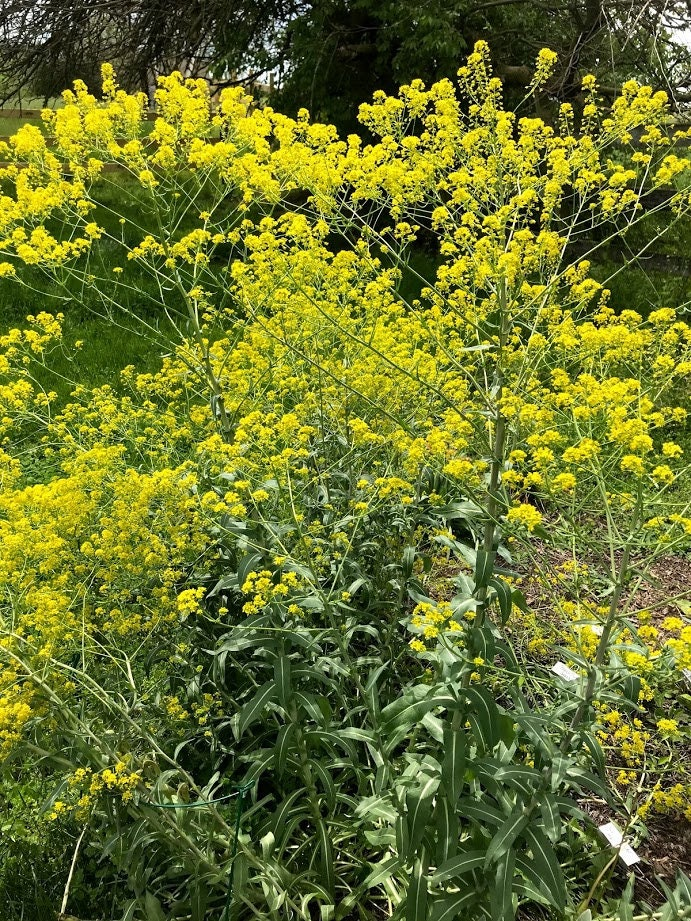 Image 5 of 10
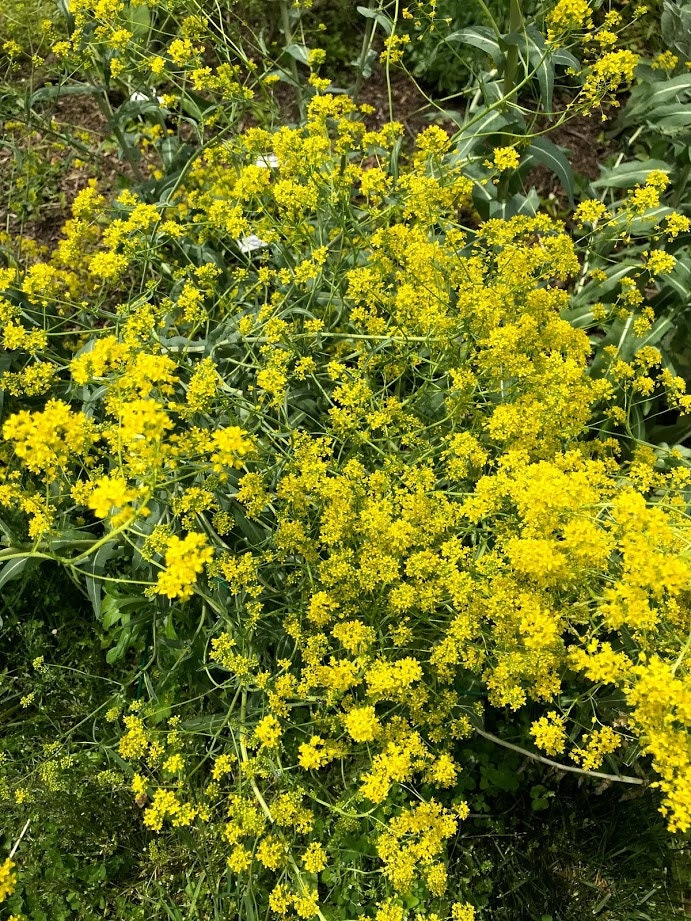 Image 6 of 10
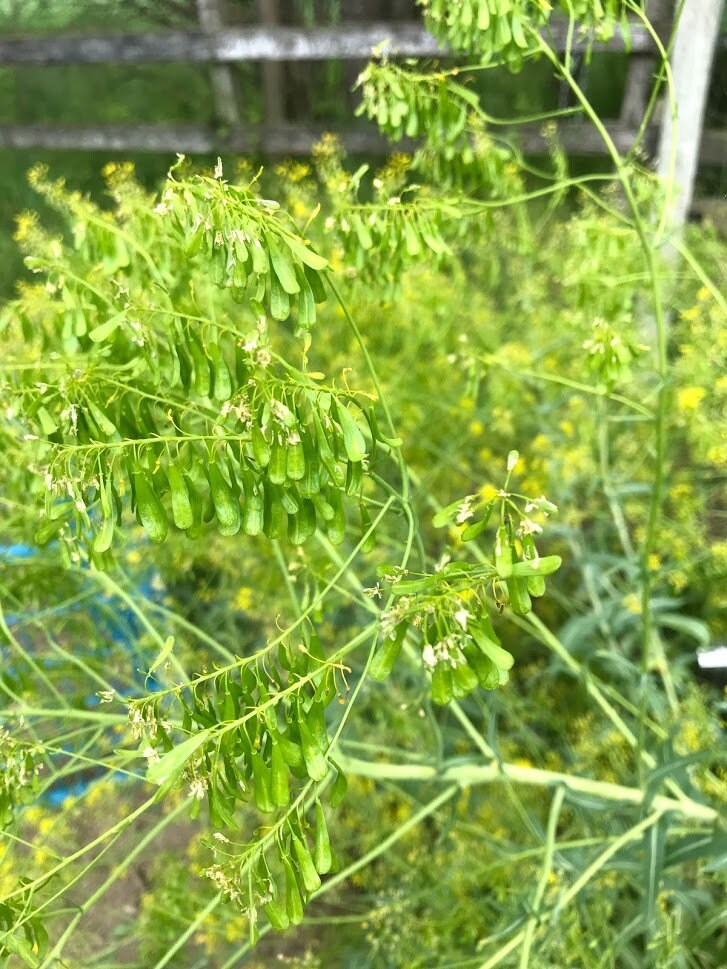 Image 7 of 10
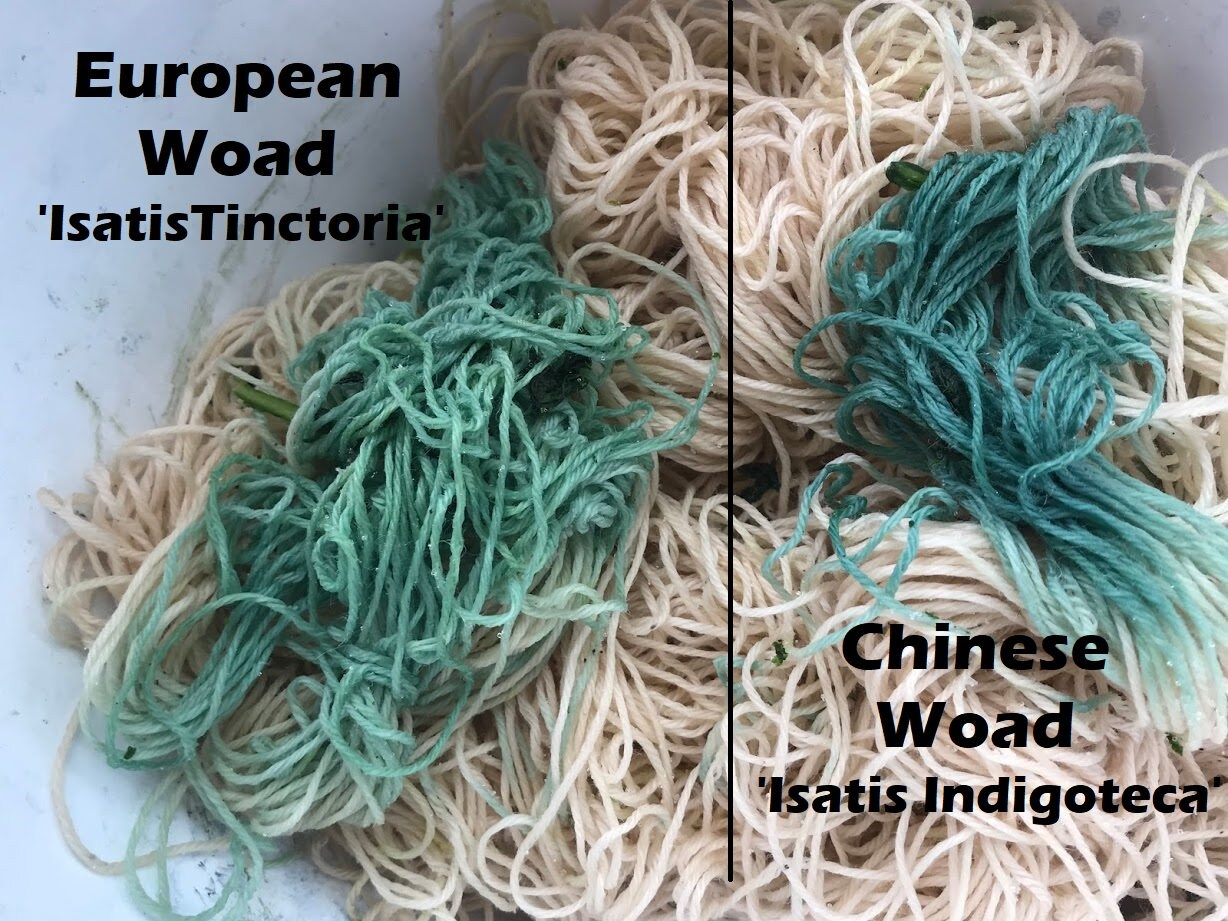 Image 8 of 10
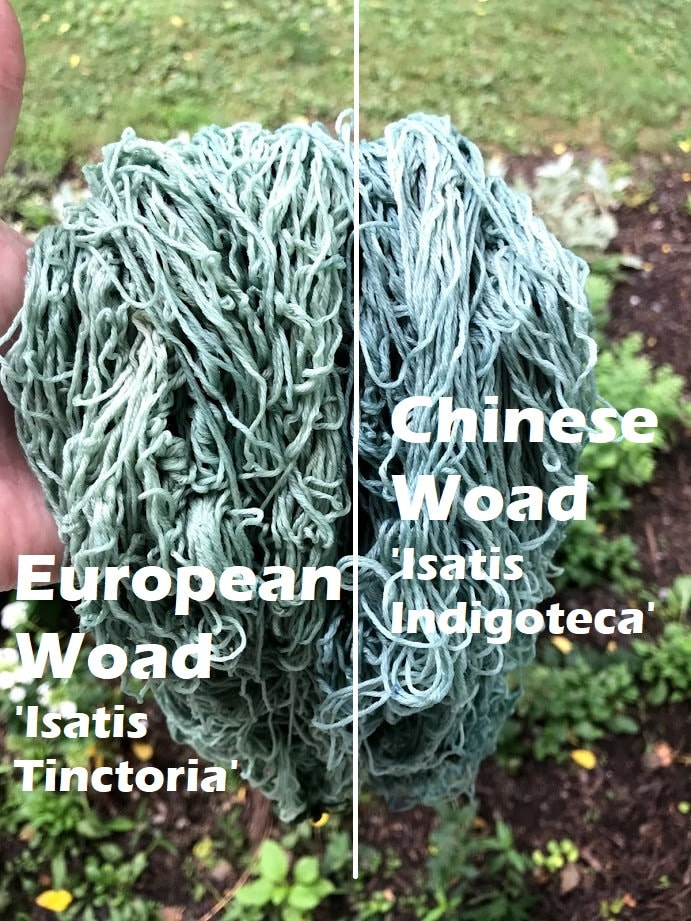 Image 9 of 10
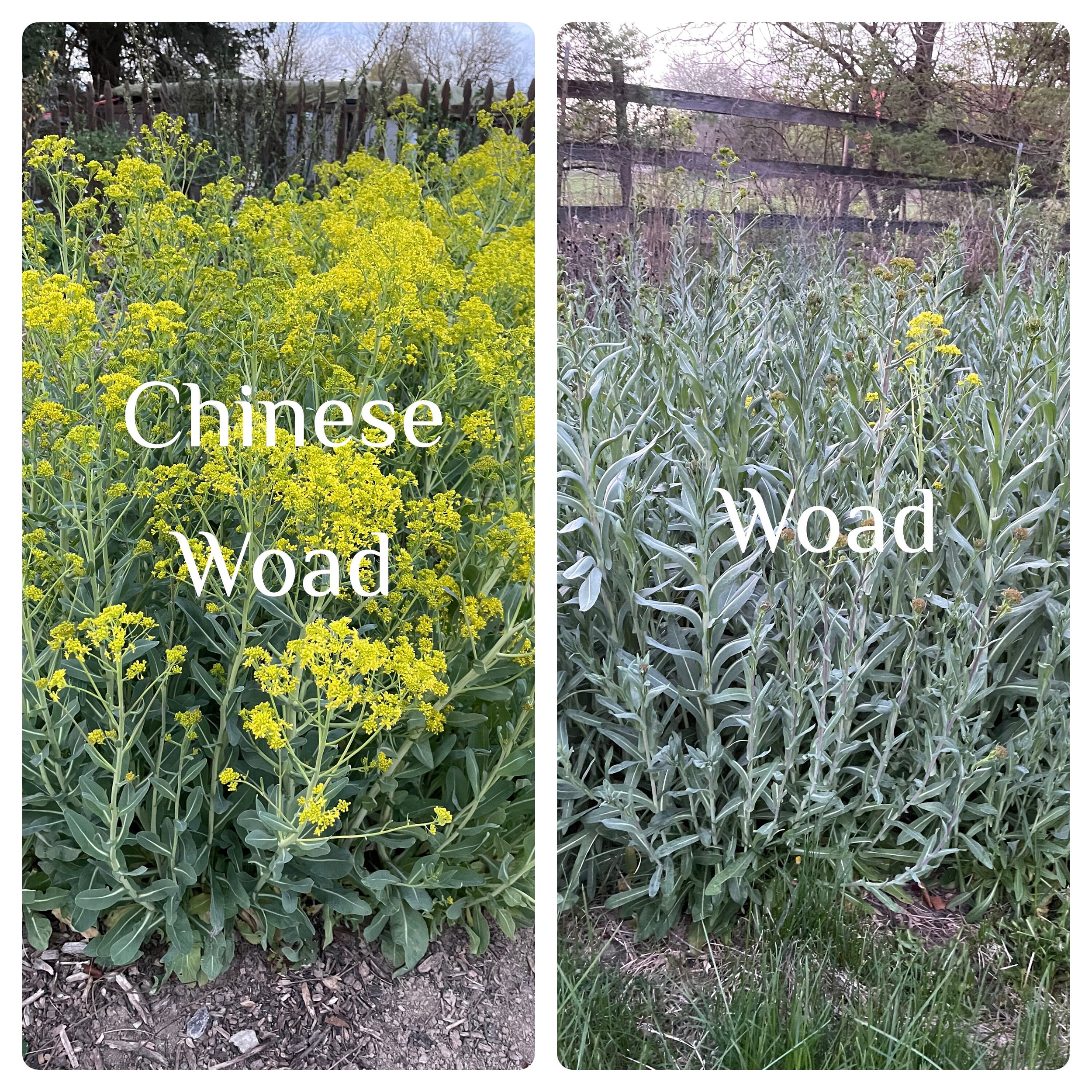 Image 10 of 10