4 or 8oz Treated Flax seed 'Aramis' Long-stemmed Flax for producing Linen
Sold in 4 or 8oz quantities.
This is 'Aramis' variety of zinc treated Flax seed imported from France for growing long-stemmed flax for growing your own linen. The zinc treatment is to give a micronutrient boost at germination.
4oz seeds 50 square feet.
8oz seeds 100 square feet.
Traditionally flax is planted early in the season, but I think I'm beginning to doubt the wisdom of planting things as early as some old-timers make you think you should! I have planted things early, just to see what happened, and it can indeed be too early! So, I'd say, plant it when you think it will do well, but this can handle it a little cooler. It is grown in Egypt also, so, it can handle it hotter as well. Flax takes about 100 days until you want to harvest it, so just be sure you have that good window of time open in the season to grow and harvest it.
Flax can be grown on most soil. It is grown in northern Europe and in Egypt, so it handles warmer and cooler weather, but the thing it really wants is sun. Lots of sun to grow nice and tall and some moisture to aid its growth and because its root are not that deep.
Sow flax thickly by hand. You want the plants to be crowded because a stem that has much room around it will develop side shoot arms that will cause shorter fibers and breaks along the length where the side shoots come out. If stems have more room, they may get thicker stems which will yield more coarse fiber. Because I like to over-do things, I have planted flax wayyyy too thickly, and it can be seeded too thickly, so that many stems do not grow as tall because it has been wayyyy too heavily seeded. I still ended up with flax, and the stems were nice and fine, yielding fine flax fiber, but the stems were not nearly as tall! Some people say that if you seed it too thickly that the stems could lodge. I didn't have that problem at all, and that might be more a problem if you have wind or not enough sun.
I like to plant the flax at the time of year in the spring when the weather is in the 70s and you're going to get some rain and you know it cannot fail to take off and grow. I do this because I want the flax to instantly start to grow when I put it down, because I want it to get a jump on the weeds that are in the prepared soil. If the weather is good, the flax should germinate and quickly overtake any weed seeds and if it is planted thickly, this will choke out most weeds and there will be little to no weeding needed to be done. I have read that flax can be weeded by hand when it is young and it will spring back up if walked upon, but I prefer to sow at a good time, thickly and not be needing to walk on it to weed it later.
I will send an information sheet on flax growing when you order. I have a video on youtube showing how I processed this same flax this year, and you can ask me if you have any questions. Don't be scared....it is not hard to grow, process and spin your own flax. It is not hard to determine when your flax is properly retted either. The only way to learn, is to do......so, give it a try........you'll definitely learn something!
Sold in 4 or 8oz quantities.
This is 'Aramis' variety of zinc treated Flax seed imported from France for growing long-stemmed flax for growing your own linen. The zinc treatment is to give a micronutrient boost at germination.
4oz seeds 50 square feet.
8oz seeds 100 square feet.
Traditionally flax is planted early in the season, but I think I'm beginning to doubt the wisdom of planting things as early as some old-timers make you think you should! I have planted things early, just to see what happened, and it can indeed be too early! So, I'd say, plant it when you think it will do well, but this can handle it a little cooler. It is grown in Egypt also, so, it can handle it hotter as well. Flax takes about 100 days until you want to harvest it, so just be sure you have that good window of time open in the season to grow and harvest it.
Flax can be grown on most soil. It is grown in northern Europe and in Egypt, so it handles warmer and cooler weather, but the thing it really wants is sun. Lots of sun to grow nice and tall and some moisture to aid its growth and because its root are not that deep.
Sow flax thickly by hand. You want the plants to be crowded because a stem that has much room around it will develop side shoot arms that will cause shorter fibers and breaks along the length where the side shoots come out. If stems have more room, they may get thicker stems which will yield more coarse fiber. Because I like to over-do things, I have planted flax wayyyy too thickly, and it can be seeded too thickly, so that many stems do not grow as tall because it has been wayyyy too heavily seeded. I still ended up with flax, and the stems were nice and fine, yielding fine flax fiber, but the stems were not nearly as tall! Some people say that if you seed it too thickly that the stems could lodge. I didn't have that problem at all, and that might be more a problem if you have wind or not enough sun.
I like to plant the flax at the time of year in the spring when the weather is in the 70s and you're going to get some rain and you know it cannot fail to take off and grow. I do this because I want the flax to instantly start to grow when I put it down, because I want it to get a jump on the weeds that are in the prepared soil. If the weather is good, the flax should germinate and quickly overtake any weed seeds and if it is planted thickly, this will choke out most weeds and there will be little to no weeding needed to be done. I have read that flax can be weeded by hand when it is young and it will spring back up if walked upon, but I prefer to sow at a good time, thickly and not be needing to walk on it to weed it later.
I will send an information sheet on flax growing when you order. I have a video on youtube showing how I processed this same flax this year, and you can ask me if you have any questions. Don't be scared....it is not hard to grow, process and spin your own flax. It is not hard to determine when your flax is properly retted either. The only way to learn, is to do......so, give it a try........you'll definitely learn something!

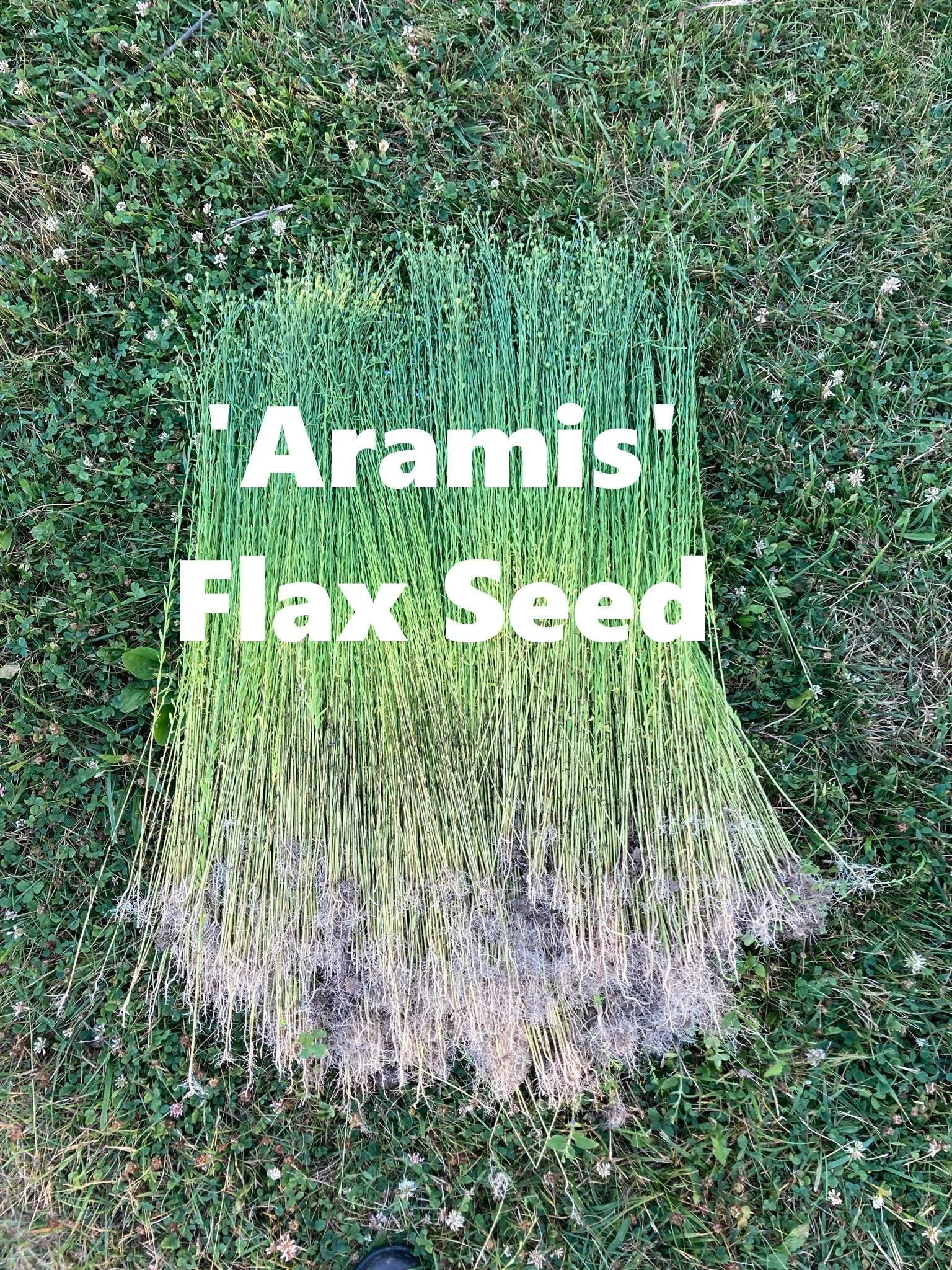 Image 1 of 7
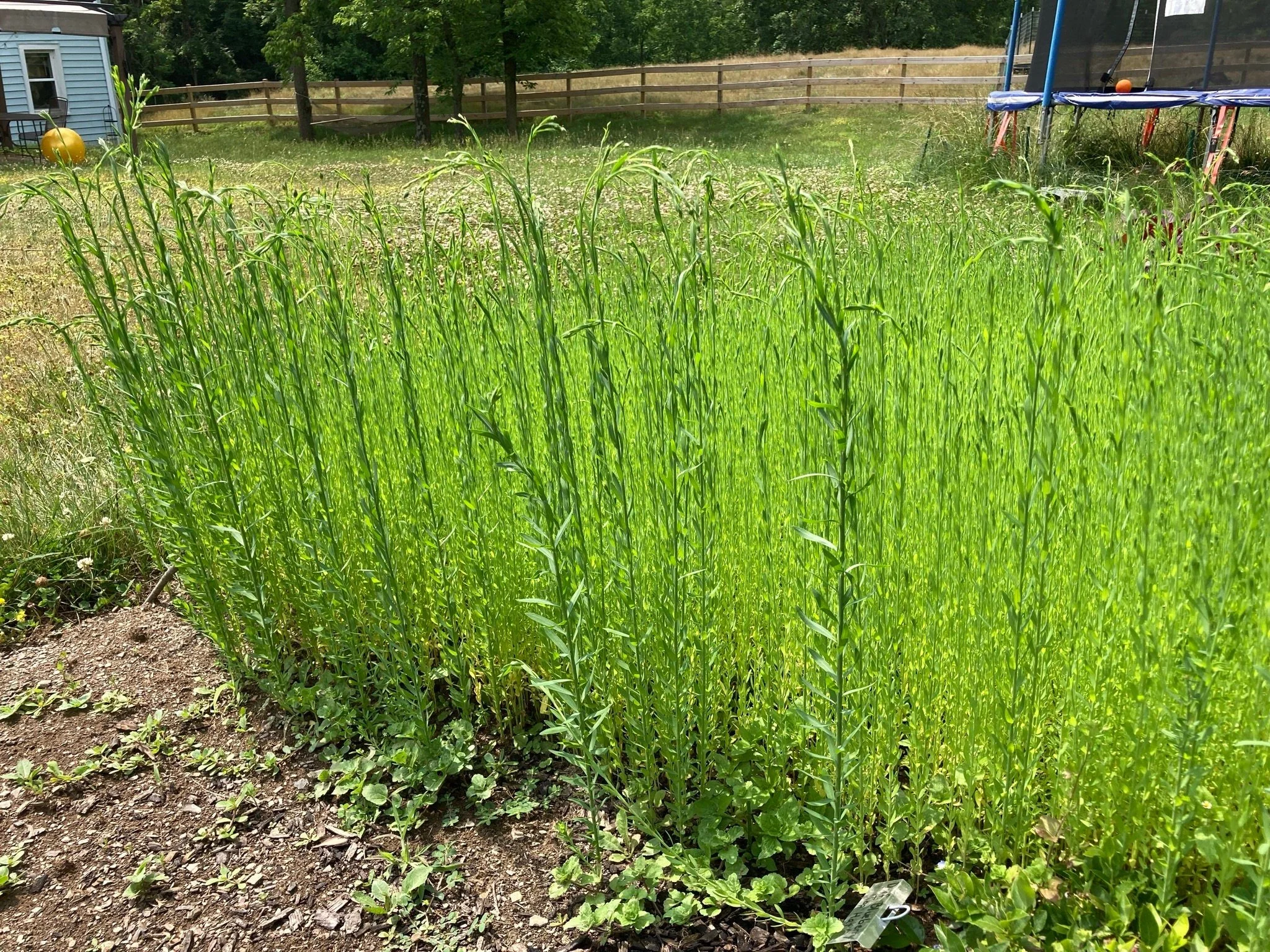 Image 2 of 7
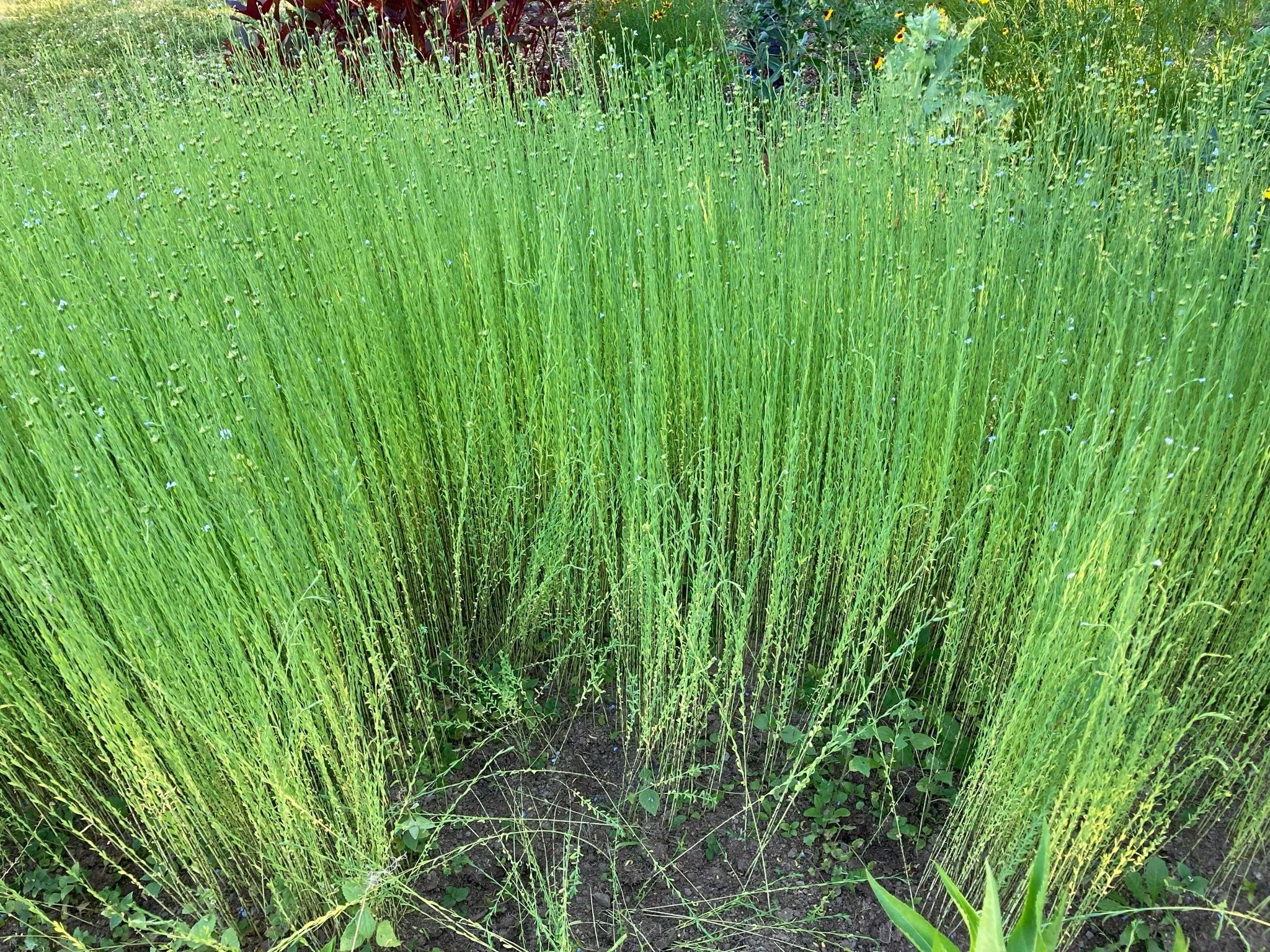 Image 3 of 7
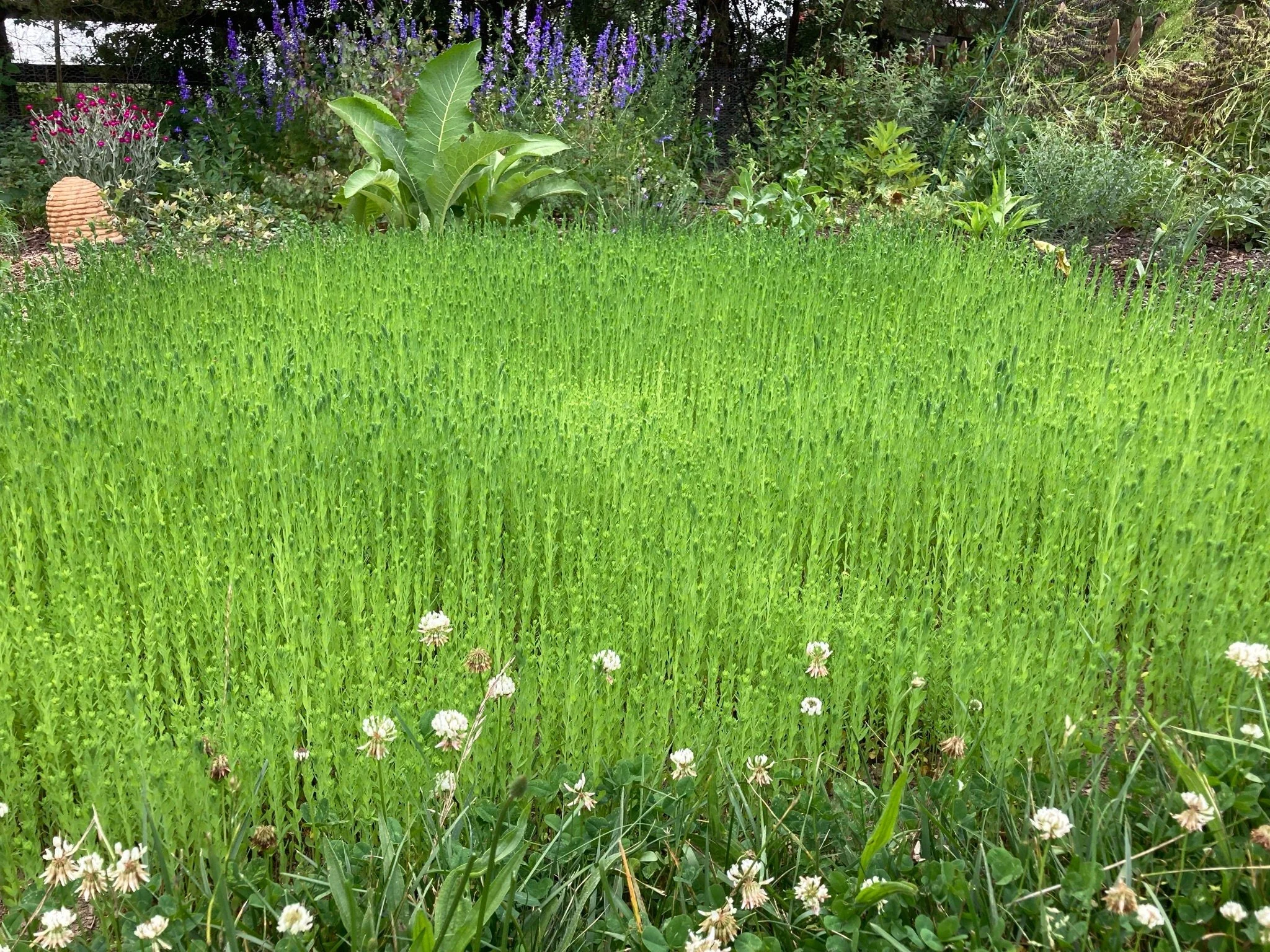 Image 4 of 7
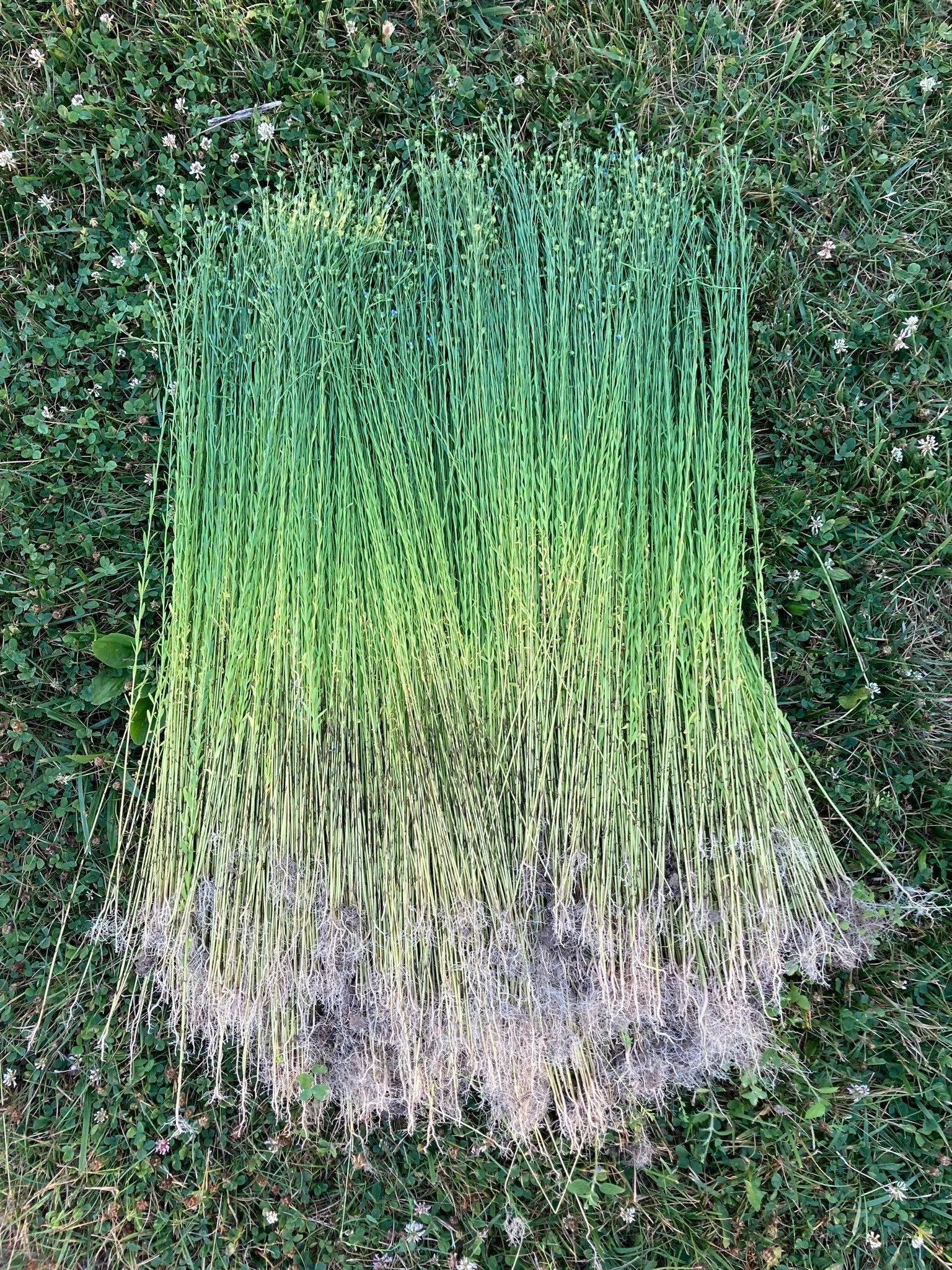 Image 5 of 7
 Image 6 of 7
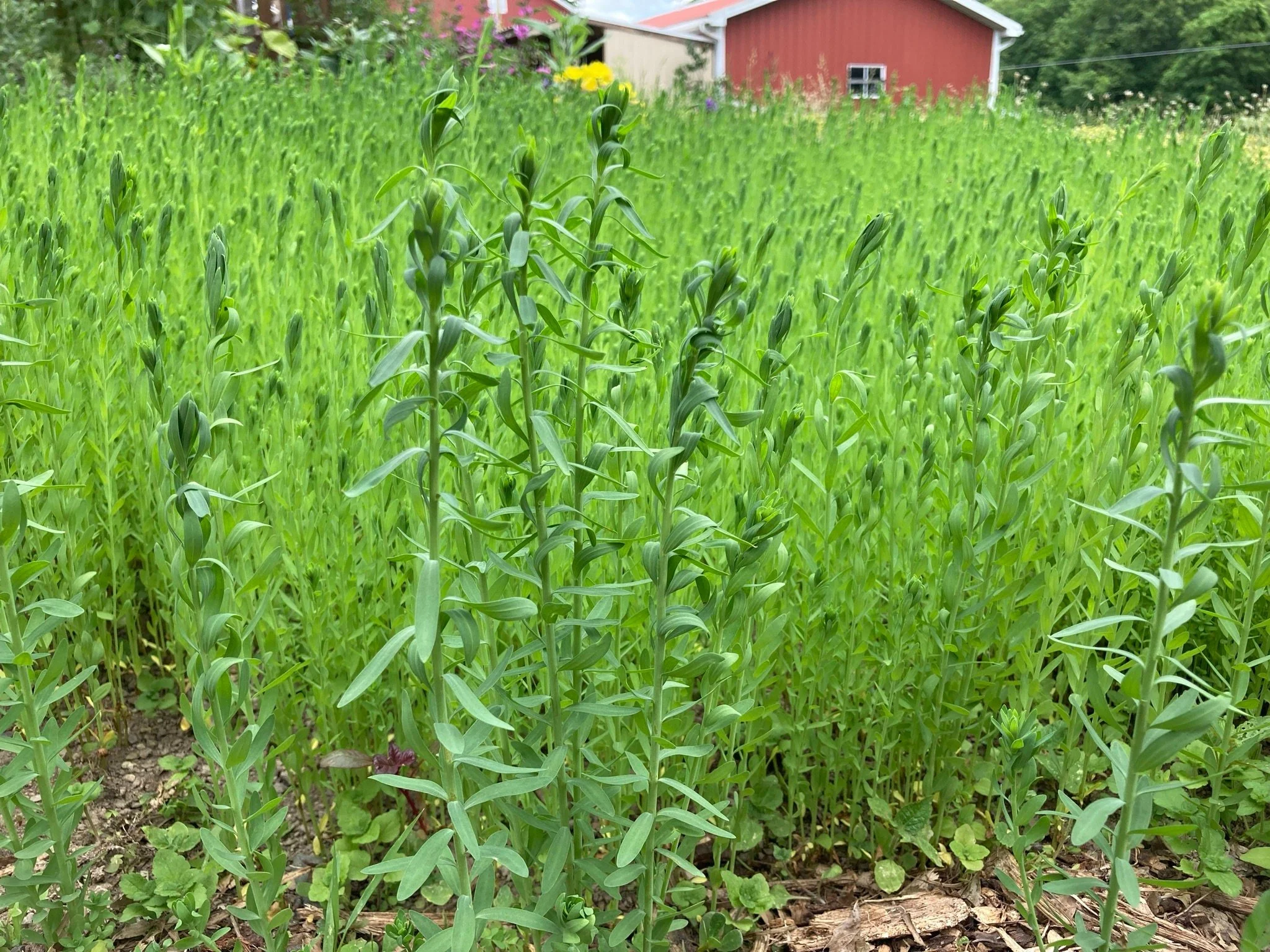 Image 7 of 7