Ingeo Corn Fiber Combed Top for Spinning Fibre Fibers Cellulose Undyed Plant Vegan
from $9.99
Priced and sold by 2, 4 or 8oz. Select quantity from the drop down box.
Ingeo Corn fiber is a fiber made from corn! Plant sugars are fermented and turned into a polymer known as polylactide and then extruded into a fiber, which is commonly described as a 'viscose' process. Ingeo is the brand name given to this textile innovation.
Ingeo corn fiber has strength and softness and is naturally flame retardant with good moisture management. It is stain resistant. It needs no chemical additives. It has great wicking properties and low odor retention.
The manufacture of Ingeo fibers from the highly renewable, already mass produced corn crop, requires about half the energy needed to make polyester and emits 50% fewer greenhouse gases. Ingeo does not actually require corn. It only needs a sugar source. It's just that right now, corn is a very prevalently grown source for that. So, in the future, it may be made from other raw materials or agricultural wastes.
If you want to dye this fiber, use lower dyeing temperatures of 110-115 degrees for only about 30 minutes.
Priced and sold by 2, 4 or 8oz. Select quantity from the drop down box.
Ingeo Corn fiber is a fiber made from corn! Plant sugars are fermented and turned into a polymer known as polylactide and then extruded into a fiber, which is commonly described as a 'viscose' process. Ingeo is the brand name given to this textile innovation.
Ingeo corn fiber has strength and softness and is naturally flame retardant with good moisture management. It is stain resistant. It needs no chemical additives. It has great wicking properties and low odor retention.
The manufacture of Ingeo fibers from the highly renewable, already mass produced corn crop, requires about half the energy needed to make polyester and emits 50% fewer greenhouse gases. Ingeo does not actually require corn. It only needs a sugar source. It's just that right now, corn is a very prevalently grown source for that. So, in the future, it may be made from other raw materials or agricultural wastes.
If you want to dye this fiber, use lower dyeing temperatures of 110-115 degrees for only about 30 minutes.

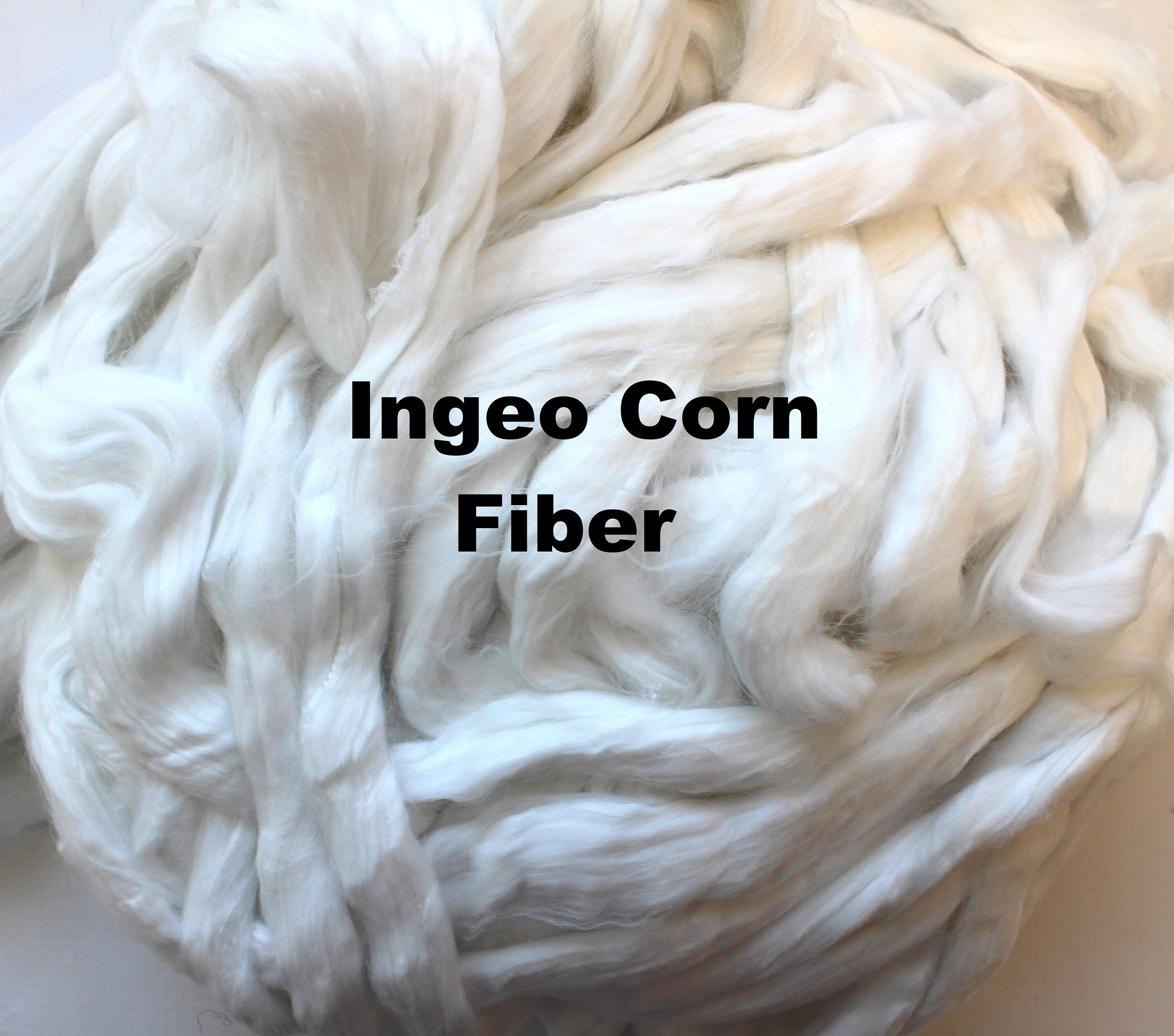 Image 1 of 4
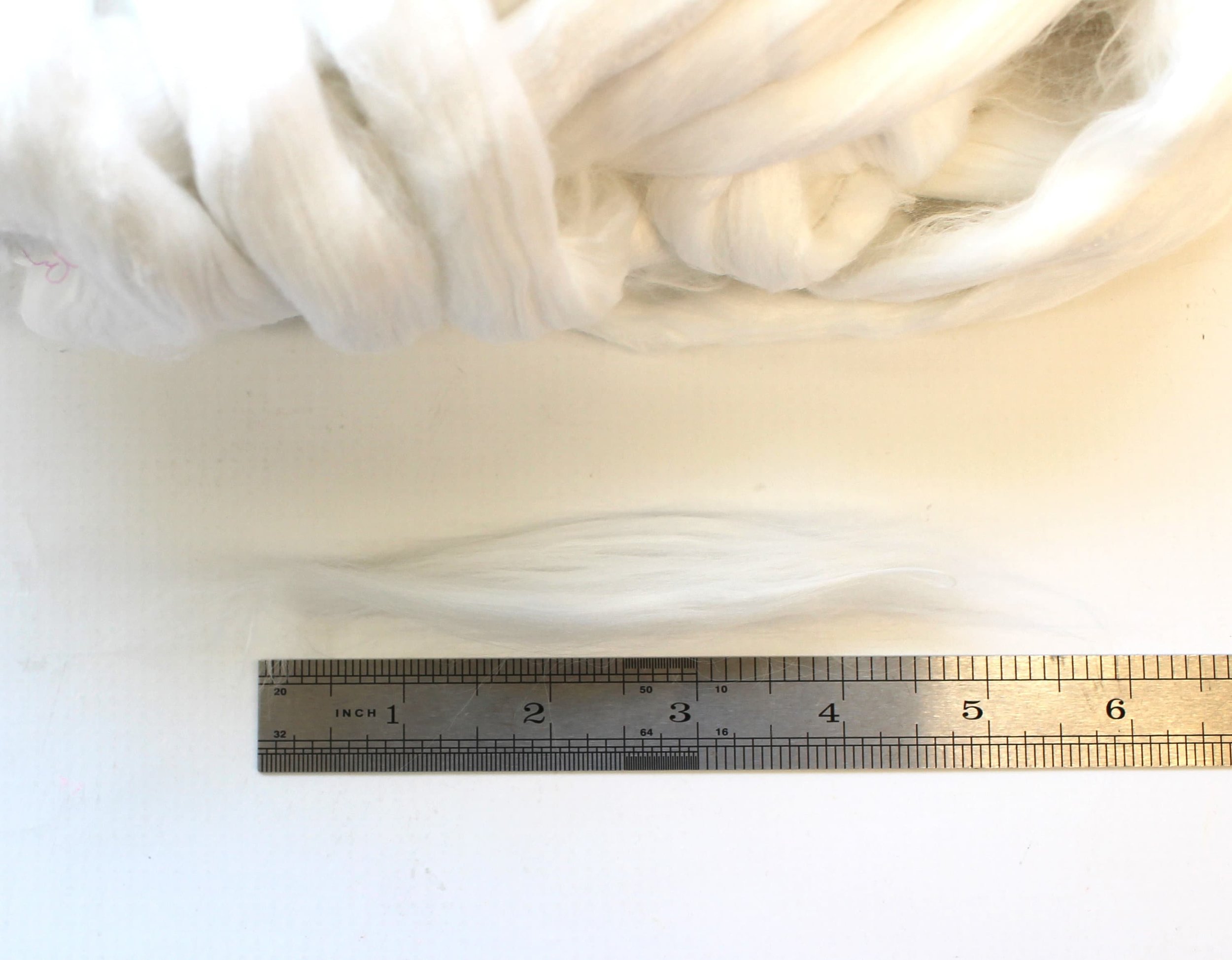 Image 2 of 4
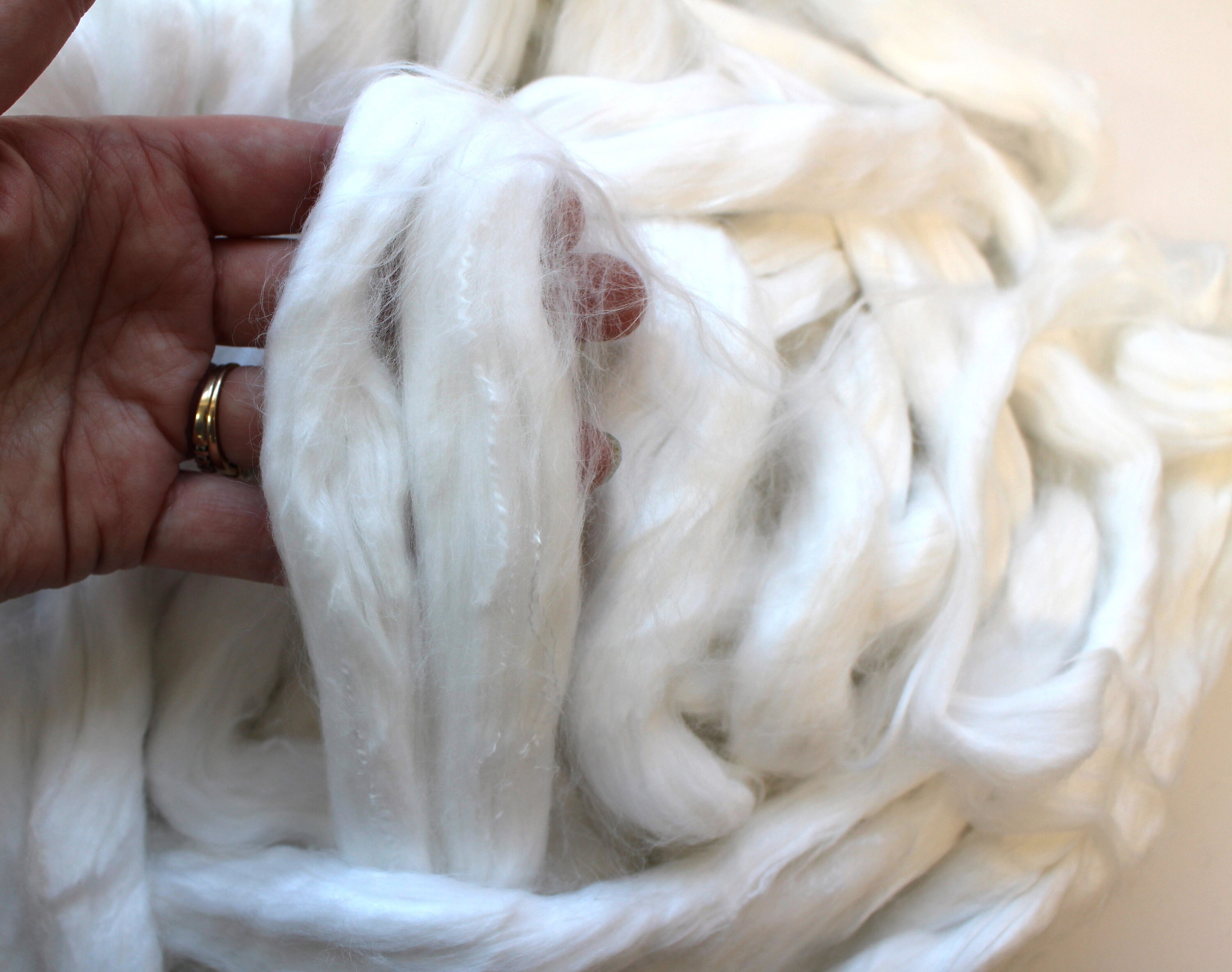 Image 3 of 4
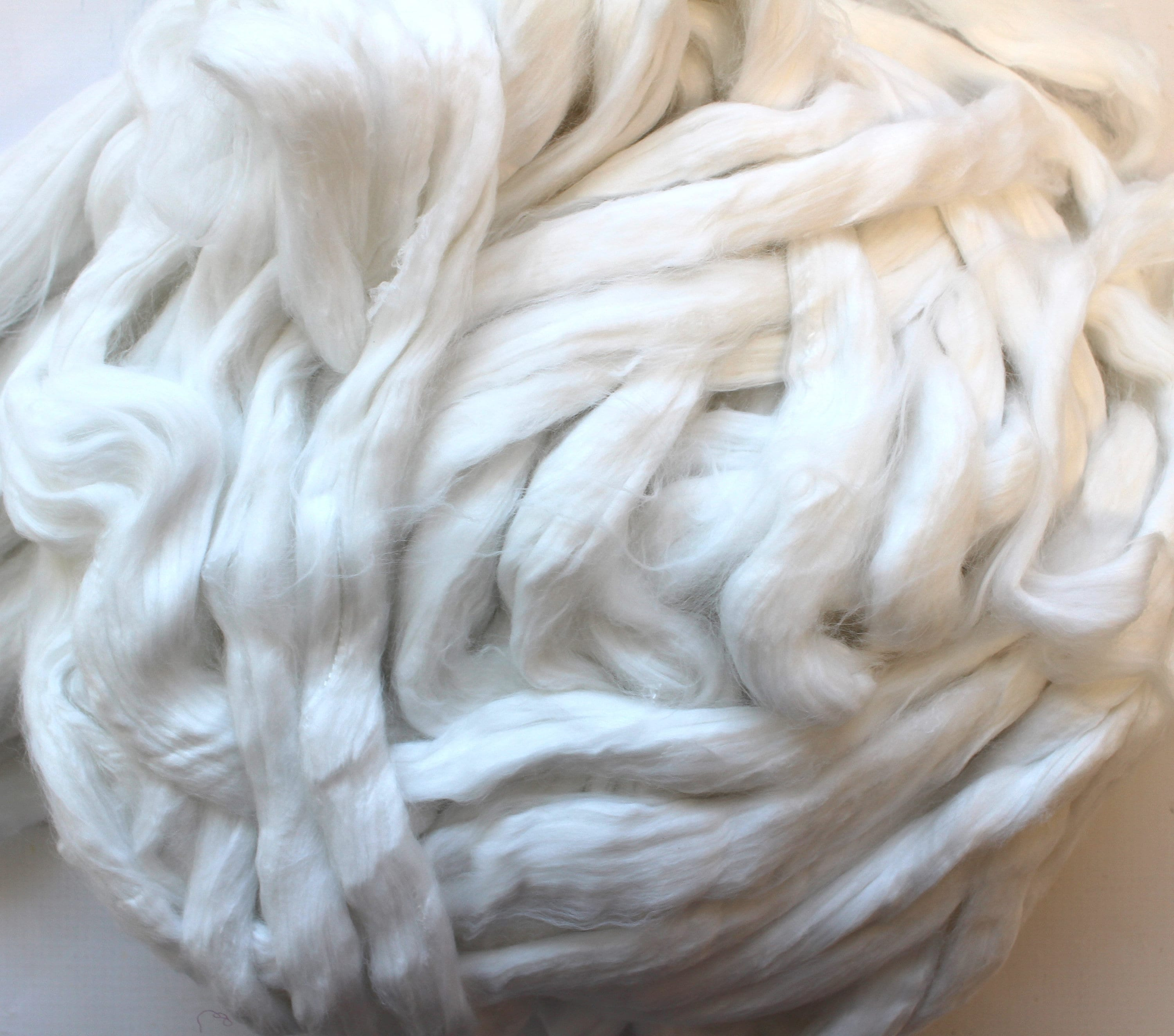 Image 4 of 4