Image 1 of 10
Image 2 of 10
Image 3 of 10
Image 4 of 10
Image 5 of 10
Image 6 of 10
Image 7 of 10
Image 8 of 10
Image 9 of 10
Image 10 of 10
Japanese Indigo Seeds - Persicaria Tinctoria Seed Polygonum tinctorium Seeds Dyers Knotweed Blue natural dye garden plant
$5.99
100+ seeds per packet.
Japanese Indigo seeds grown and harvested here in my gardens. Persicaria tinctoria and Polygonum tinctorium are both Japanese Indigo. Japanese Indigo is also called Dyer's Knotweed.
Japanese Indigo produces a blue dye.
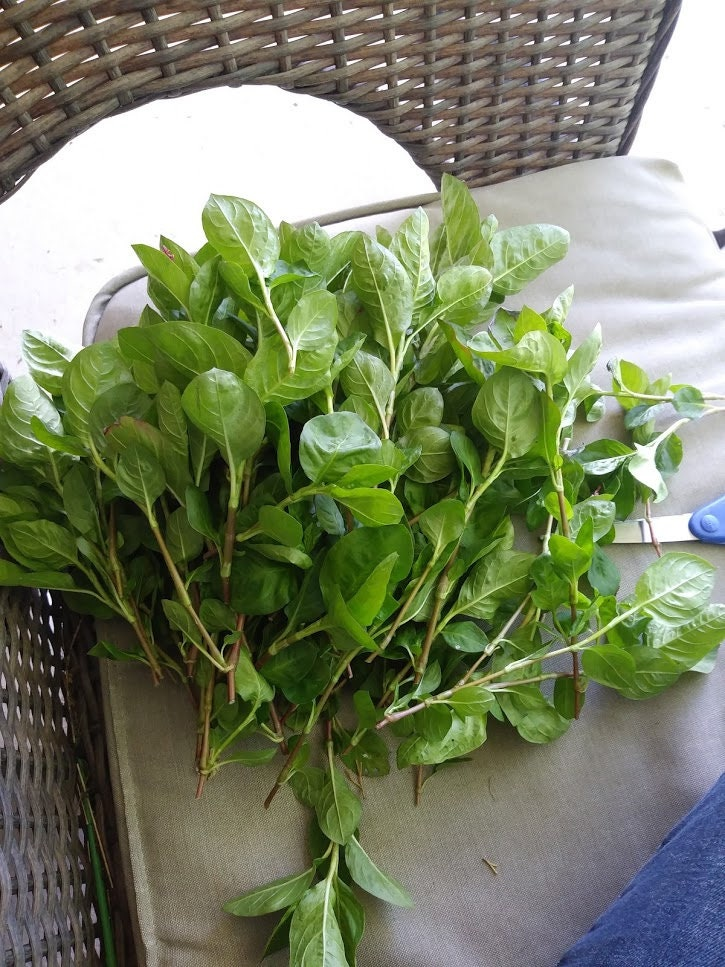
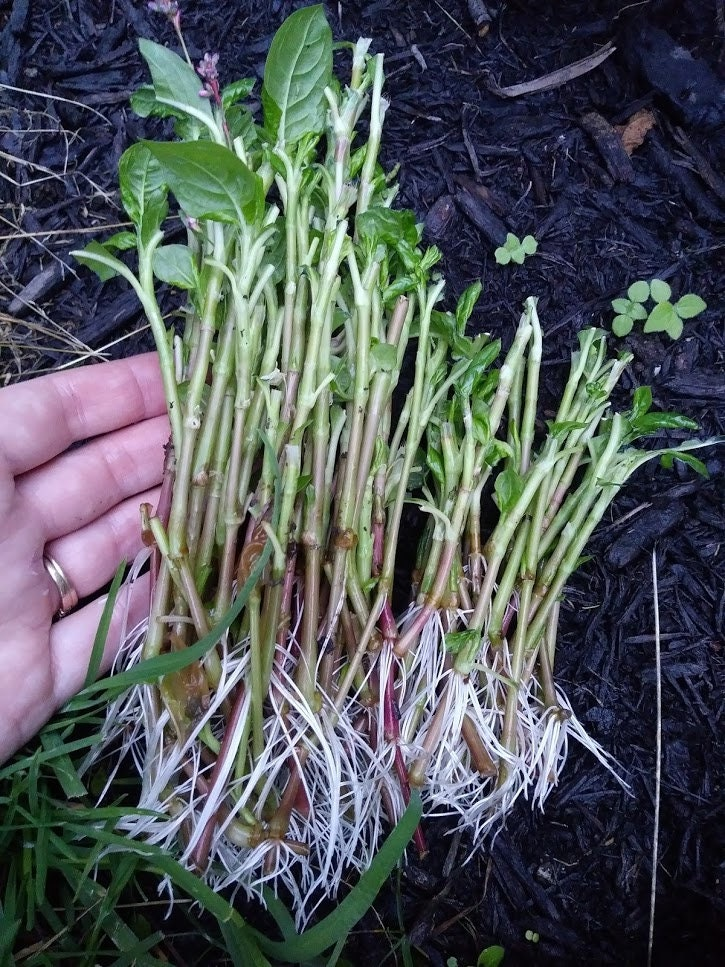
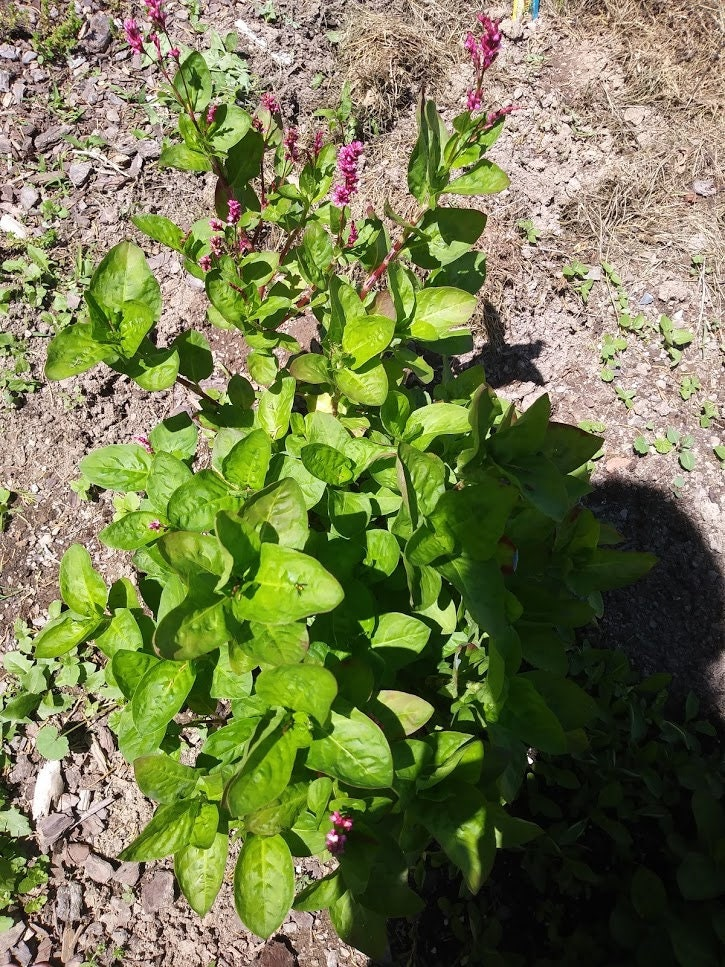
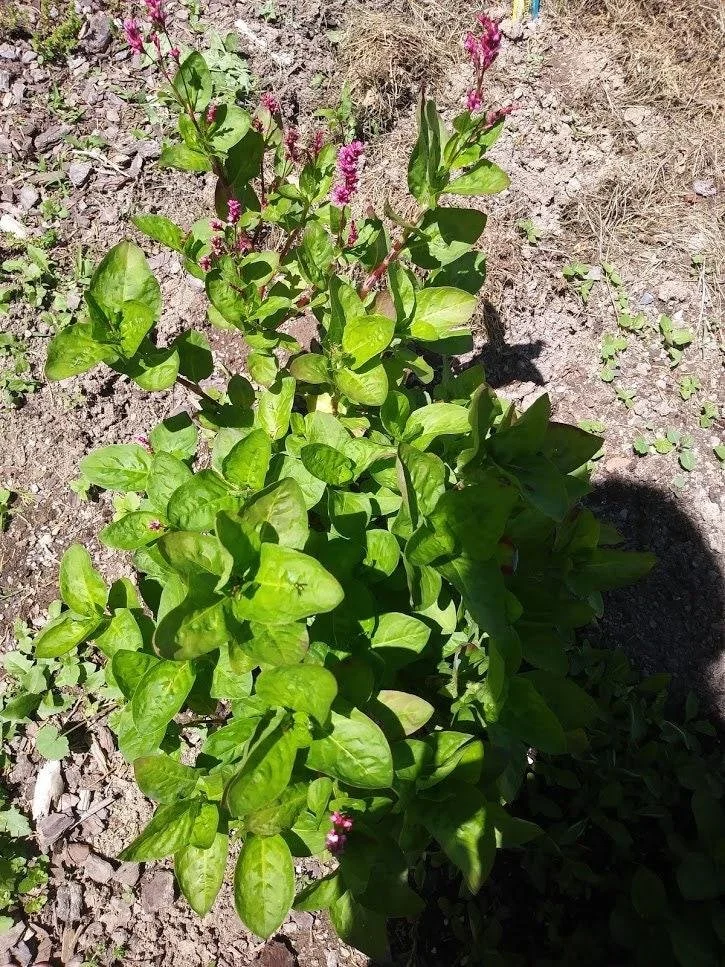
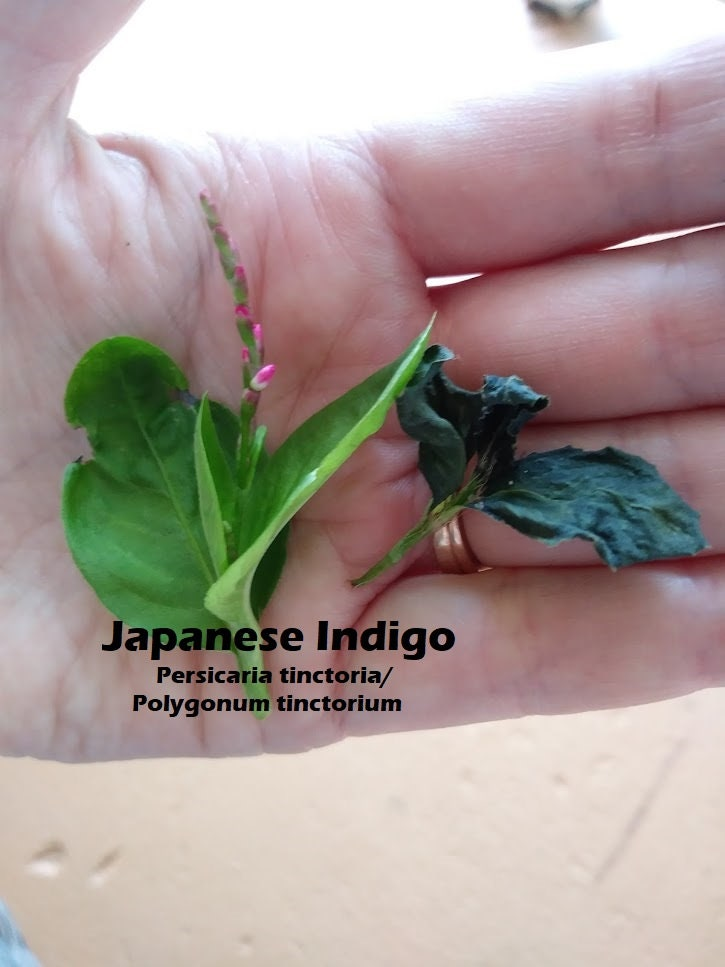
Japanese Indigo is a very easy to grow plant, so it is often grown in cooler climates where true indigo, (Indigofera Tinctoria) cannot be grown because it needs a very warm, long season. It is a smart weed, as it grows and roots readily from nodes on the stem. As you see in the pictures, you can harvest the stems before they bloom and strip off the leaves to dye with them, and then sit the stems in water and they will quickly root and can be planted again and will flower to produce seeds.
Japanese indigo will self-seed readily if you leave the area undisturbed. This is a round leaf Japanese Indigo which has been found to be hardier to heat than the longer, narrow leaved Japanese Indigo. It grow much more quickly and flowers more quickly than the narrow, long leafed Japanese Indigo variety, which can take so long to flower and produce seeds if it is harvested, that in cooler climates, it may not flower and produce seeds until close to the first frost.
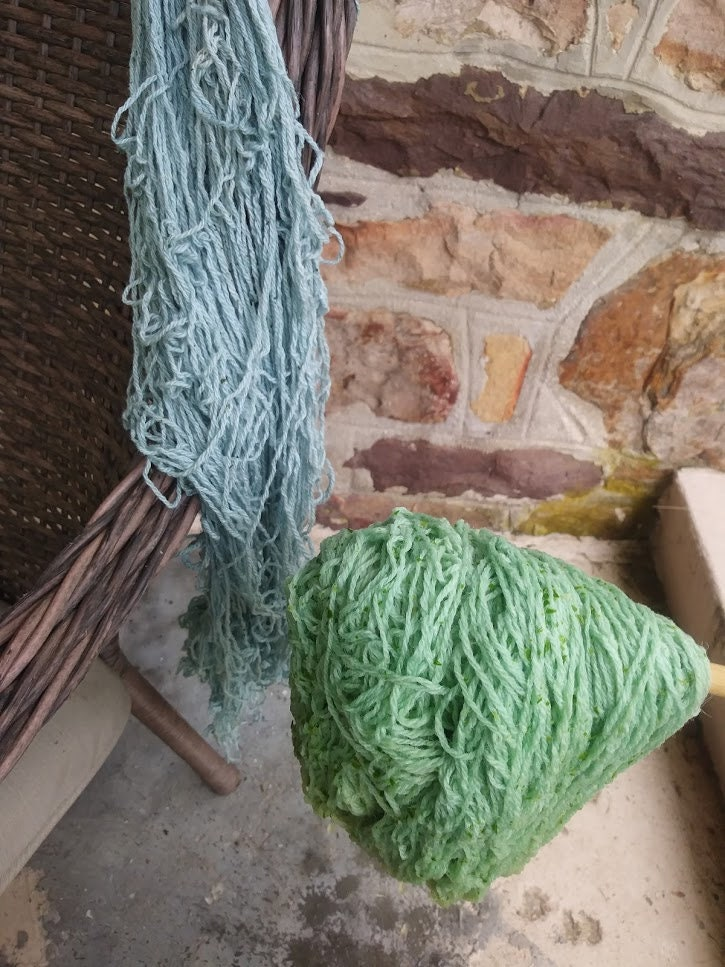
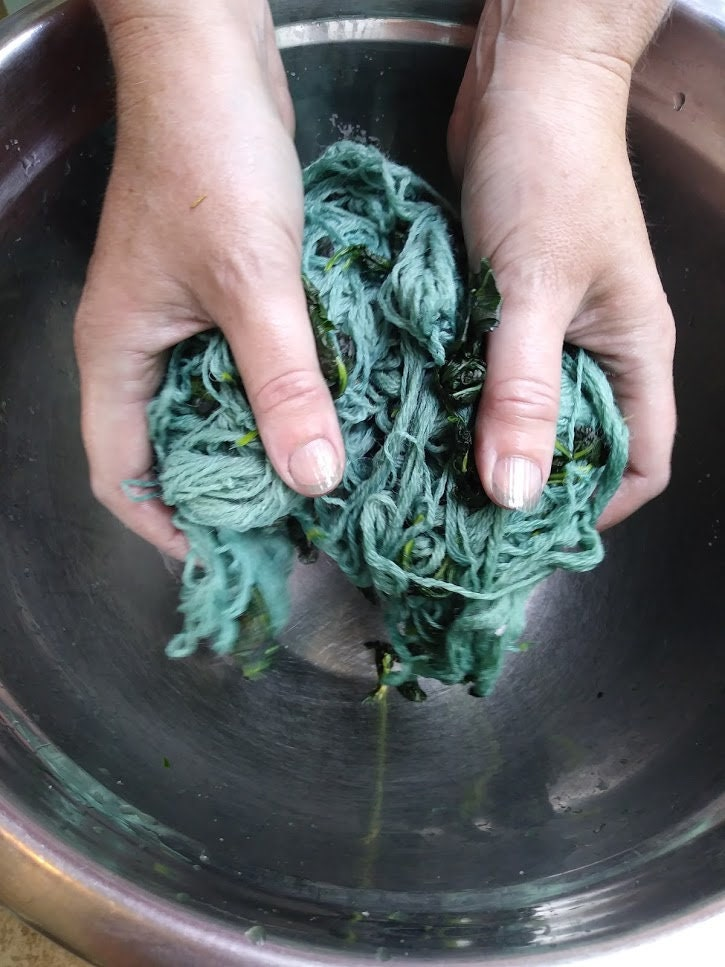
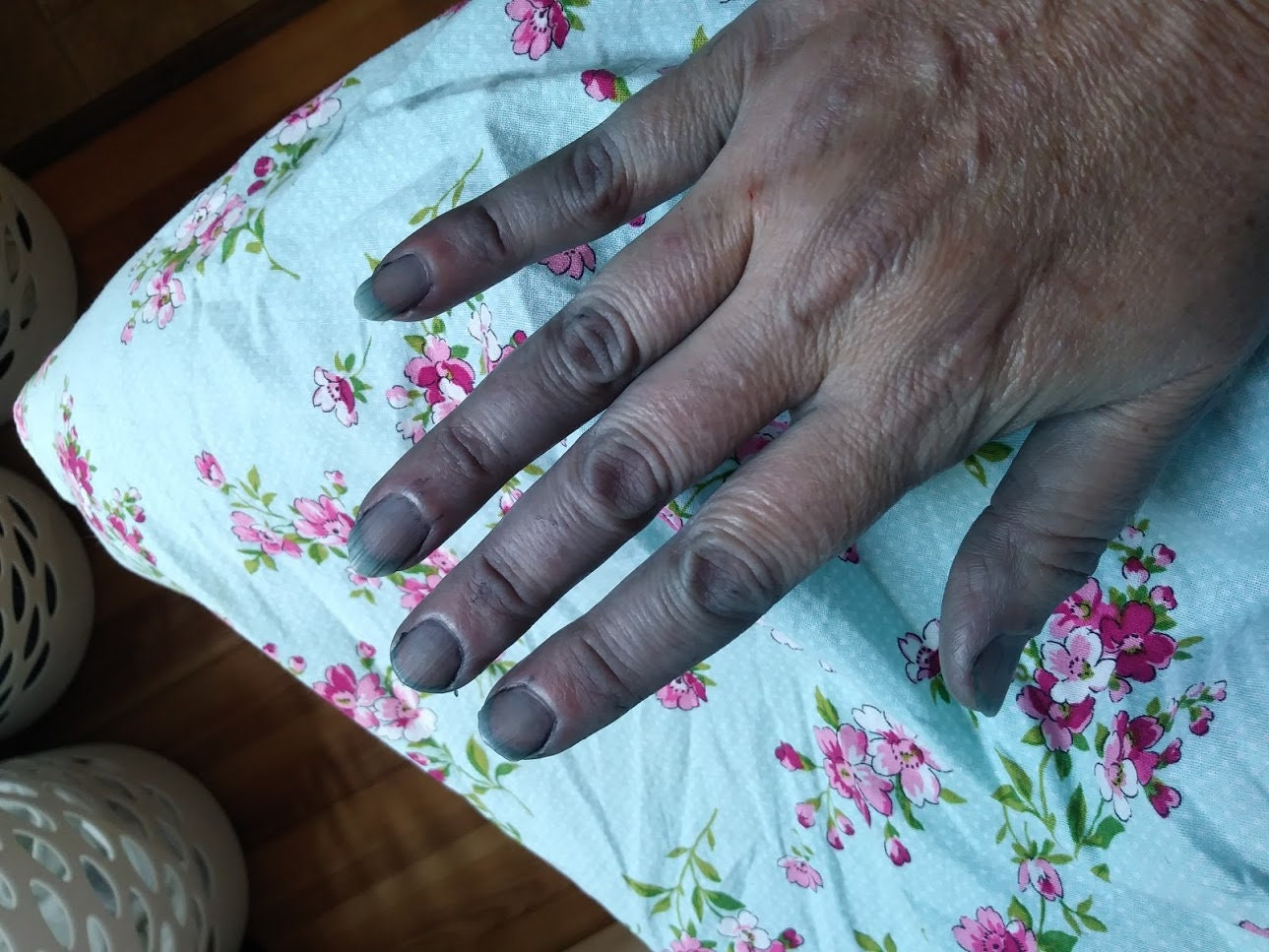
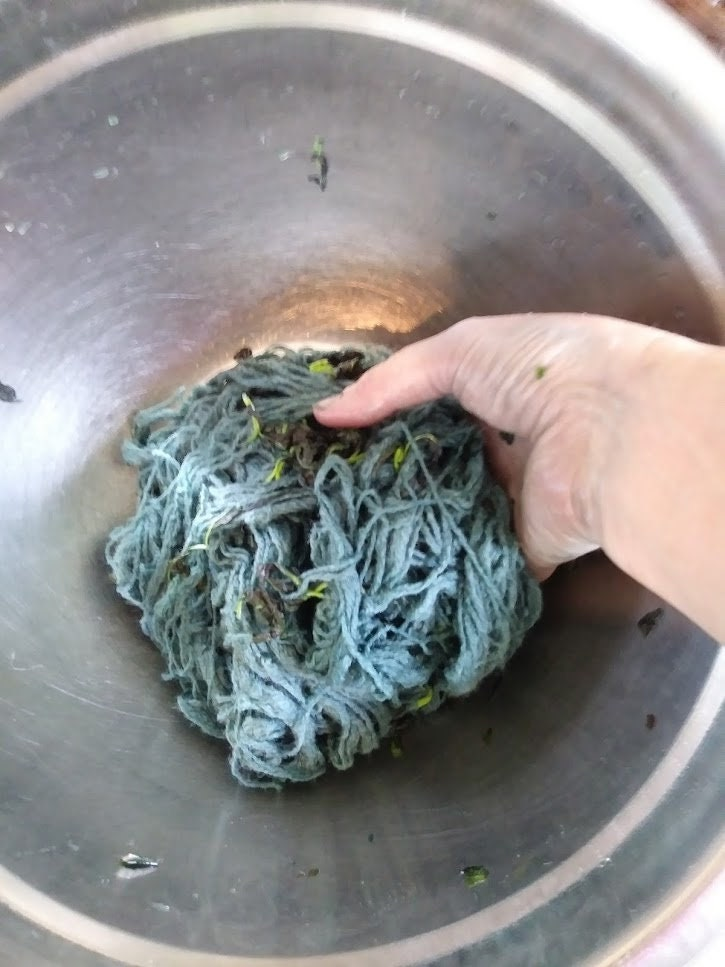
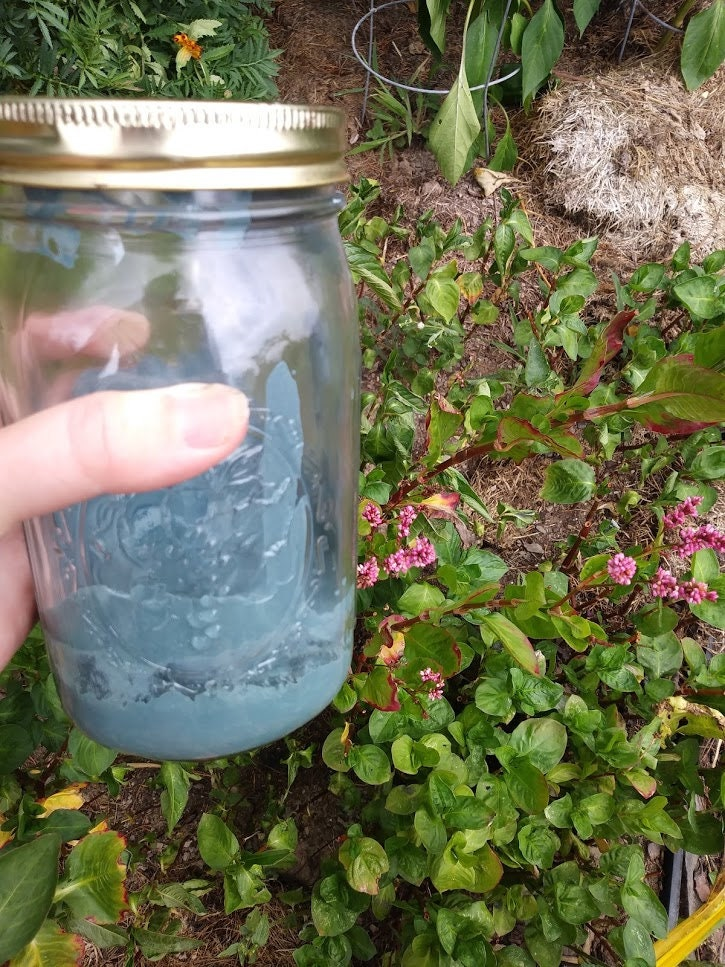
You can dye yarn with Japanese Indigo simply by squushing the leaves with salt and adding yarn. It really is that easy! You can see the yarn that I dyed that way in the pictures, and how blue my hands are! The one picture shows how quickly and well, the cut stems that are stripped of leaves will root.
Sow and cover lightly or just press into the soil. Germination is 10-21 days. Plant in full sun.
Seeds cannot be shipped outside of the US.
Japanese Indigo seeds grown and harvested here in my gardens. Persicaria tinctoria and Polygonum tinctorium are both Japanese Indigo. Japanese Indigo is also called Dyer's Knotweed.
Japanese Indigo produces a blue dye.
Japanese Indigo is a very easy to grow plant, so it is often grown in cooler climates where true indigo, (Indigofera Tinctoria) cannot be grown because it needs a very warm, long season. It is a smart weed, as it grows and roots readily from nodes on the stem. As you see in the pictures, you can harvest the stems before they bloom and strip off the leaves to dye with them, and then sit the stems in water and they will quickly root and can be planted again and will flower to produce seeds.
Japanese indigo will self-seed readily if you leave the area undisturbed. This is a round leaf Japanese Indigo which has been found to be hardier to heat than the longer, narrow leaved Japanese Indigo. It grow much more quickly and flowers more quickly than the narrow, long leafed Japanese Indigo variety, which can take so long to flower and produce seeds if it is harvested, that in cooler climates, it may not flower and produce seeds until close to the first frost.
You can dye yarn with Japanese Indigo simply by squushing the leaves with salt and adding yarn. It really is that easy! You can see the yarn that I dyed that way in the pictures, and how blue my hands are! The one picture shows how quickly and well, the cut stems that are stripped of leaves will root.
Sow and cover lightly or just press into the soil. Germination is 10-21 days. Plant in full sun.
Seeds cannot be shipped outside of the US.
100+ seeds per packet.
Japanese Indigo seeds grown and harvested here in my gardens. Persicaria tinctoria and Polygonum tinctorium are both Japanese Indigo. Japanese Indigo is also called Dyer's Knotweed.
Japanese Indigo produces a blue dye.
Japanese Indigo is a very easy to grow plant, so it is often grown in cooler climates where true indigo, (Indigofera Tinctoria) cannot be grown because it needs a very warm, long season. It is a smart weed, as it grows and roots readily from nodes on the stem. As you see in the pictures, you can harvest the stems before they bloom and strip off the leaves to dye with them, and then sit the stems in water and they will quickly root and can be planted again and will flower to produce seeds.
Japanese indigo will self-seed readily if you leave the area undisturbed. This is a round leaf Japanese Indigo which has been found to be hardier to heat than the longer, narrow leaved Japanese Indigo. It grow much more quickly and flowers more quickly than the narrow, long leafed Japanese Indigo variety, which can take so long to flower and produce seeds if it is harvested, that in cooler climates, it may not flower and produce seeds until close to the first frost.
You can dye yarn with Japanese Indigo simply by squushing the leaves with salt and adding yarn. It really is that easy! You can see the yarn that I dyed that way in the pictures, and how blue my hands are! The one picture shows how quickly and well, the cut stems that are stripped of leaves will root.
Sow and cover lightly or just press into the soil. Germination is 10-21 days. Plant in full sun.
Seeds cannot be shipped outside of the US.
Japanese Indigo seeds grown and harvested here in my gardens. Persicaria tinctoria and Polygonum tinctorium are both Japanese Indigo. Japanese Indigo is also called Dyer's Knotweed.
Japanese Indigo produces a blue dye.
Japanese Indigo is a very easy to grow plant, so it is often grown in cooler climates where true indigo, (Indigofera Tinctoria) cannot be grown because it needs a very warm, long season. It is a smart weed, as it grows and roots readily from nodes on the stem. As you see in the pictures, you can harvest the stems before they bloom and strip off the leaves to dye with them, and then sit the stems in water and they will quickly root and can be planted again and will flower to produce seeds.
Japanese indigo will self-seed readily if you leave the area undisturbed. This is a round leaf Japanese Indigo which has been found to be hardier to heat than the longer, narrow leaved Japanese Indigo. It grow much more quickly and flowers more quickly than the narrow, long leafed Japanese Indigo variety, which can take so long to flower and produce seeds if it is harvested, that in cooler climates, it may not flower and produce seeds until close to the first frost.
You can dye yarn with Japanese Indigo simply by squushing the leaves with salt and adding yarn. It really is that easy! You can see the yarn that I dyed that way in the pictures, and how blue my hands are! The one picture shows how quickly and well, the cut stems that are stripped of leaves will root.
Sow and cover lightly or just press into the soil. Germination is 10-21 days. Plant in full sun.
Seeds cannot be shipped outside of the US.