Lotus Fiber - Lotus Silk - Combed Top for Spinning Felting or Doll Hair Fibre Fibers Undyed Plant Vegan
Priced and sold by 2, 4, or 8 oz. Select quantity from the drop down box.
Lotus fiber is silky, fine, breathable, renewable and biodegradable. It is wrinkle resistant and makes a fabric that, when woven, feels like a cross between silk and linen. It is comfortable to wear in the heat and humidity and has been used to spin and weave Buddhist robes.
Lotus fiber is a somewhat rare plant fiber. It is produced in Myanmar, Vietnam and some parts of India. Its historical origins were in Myanmar. Lotus plants flourish in the lakes and ponds throughout Asia, and are a very renewable plant, with many parts of the plant being used for food. The stems, however, would otherwise be considered waste. Bast fibers grow along the lotus stems and when cut, can be extracted, but must be extracted within 3 days of harvest. Historically the fibers were produced by drawing them out of the cut stems, but efforts have been being made over the last years to come up with a good method to be able to produce lotus fiber at a commercial scale more cheaply.
I read some articles discussing various ways in which lotus fibers could be better 'de-gummed' and extracted by various means using hydrogen peroxide and other things. Some articles mentioned that satisfactory results had not been achieved, but the availability of these fibers, makes me think, that a method has been found. The cellulose material would be dissolved and extracted and spun in a viscose process as other cellulose fibers are, like bamboo and seacell. So, I am unsure exactly by what means these lotus fibers have been obtained, but lotus plants are naturally occurring with low impact on the environment, and lotus fiber has been sought after for its wonderful quality of being soft, silky and very breathable, biodegradable and renewable.
Priced and sold by 2, 4, or 8 oz. Select quantity from the drop down box.
Lotus fiber is silky, fine, breathable, renewable and biodegradable. It is wrinkle resistant and makes a fabric that, when woven, feels like a cross between silk and linen. It is comfortable to wear in the heat and humidity and has been used to spin and weave Buddhist robes.
Lotus fiber is a somewhat rare plant fiber. It is produced in Myanmar, Vietnam and some parts of India. Its historical origins were in Myanmar. Lotus plants flourish in the lakes and ponds throughout Asia, and are a very renewable plant, with many parts of the plant being used for food. The stems, however, would otherwise be considered waste. Bast fibers grow along the lotus stems and when cut, can be extracted, but must be extracted within 3 days of harvest. Historically the fibers were produced by drawing them out of the cut stems, but efforts have been being made over the last years to come up with a good method to be able to produce lotus fiber at a commercial scale more cheaply.
I read some articles discussing various ways in which lotus fibers could be better 'de-gummed' and extracted by various means using hydrogen peroxide and other things. Some articles mentioned that satisfactory results had not been achieved, but the availability of these fibers, makes me think, that a method has been found. The cellulose material would be dissolved and extracted and spun in a viscose process as other cellulose fibers are, like bamboo and seacell. So, I am unsure exactly by what means these lotus fibers have been obtained, but lotus plants are naturally occurring with low impact on the environment, and lotus fiber has been sought after for its wonderful quality of being soft, silky and very breathable, biodegradable and renewable.

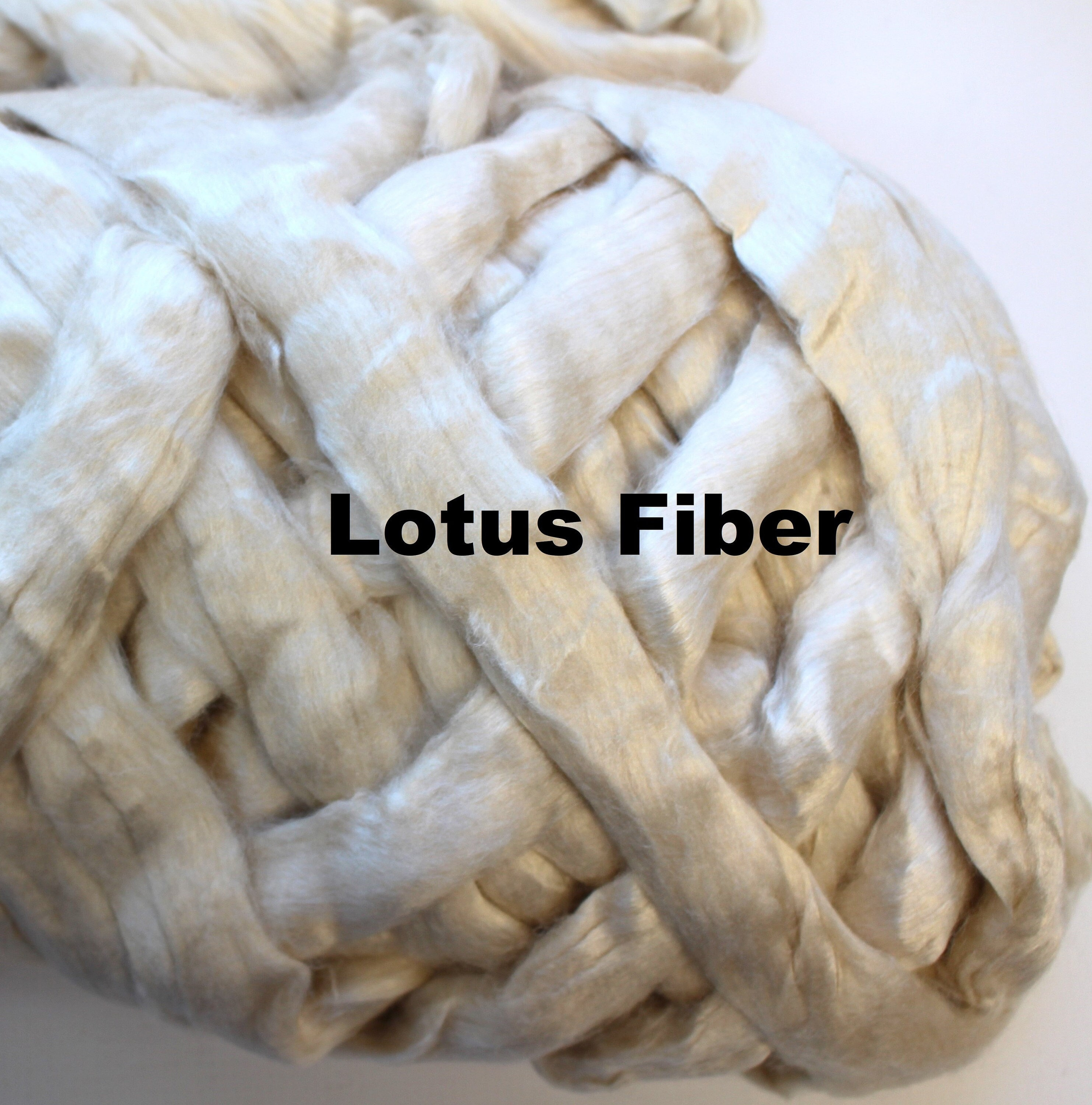 Image 1 of 6
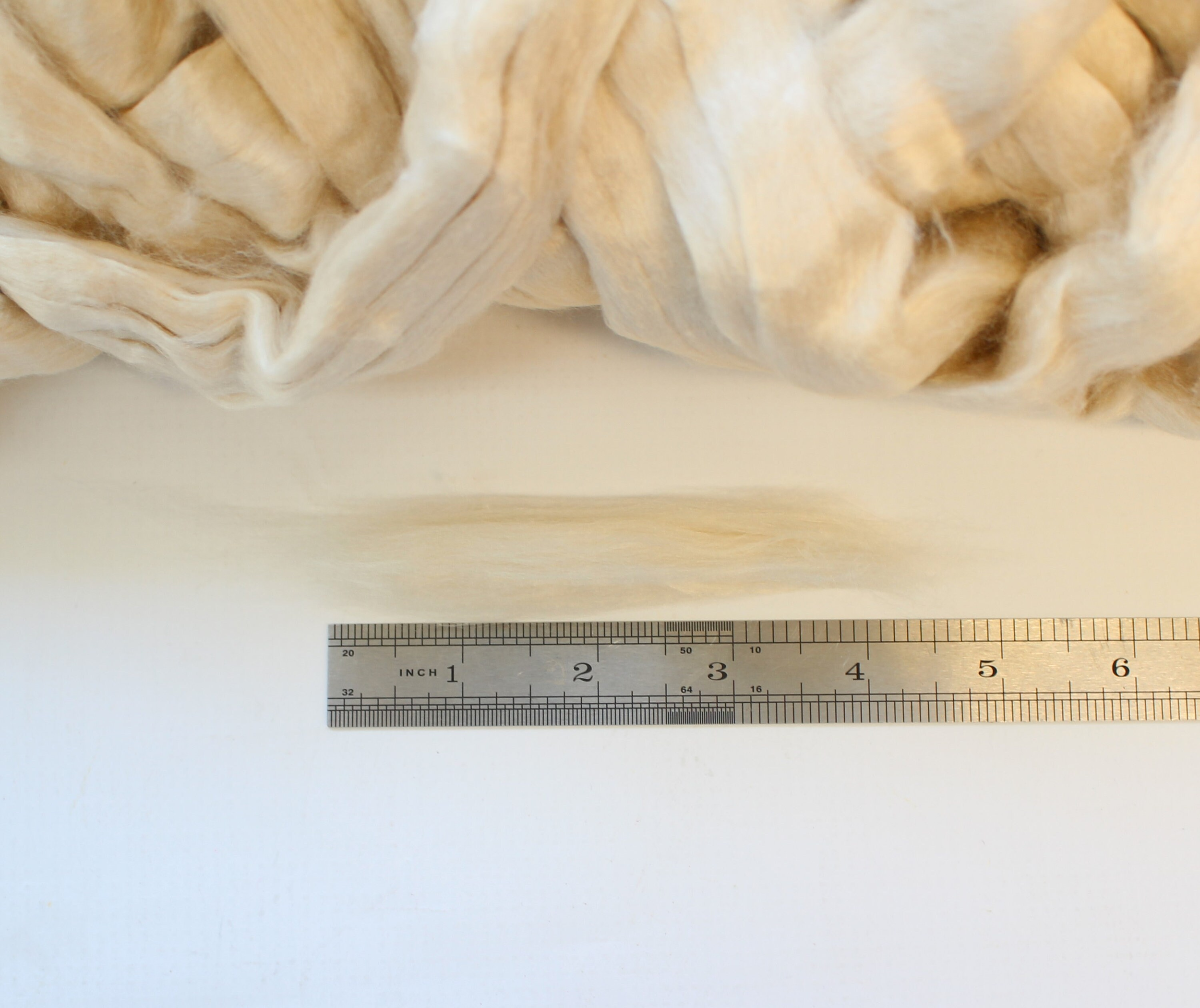 Image 2 of 6
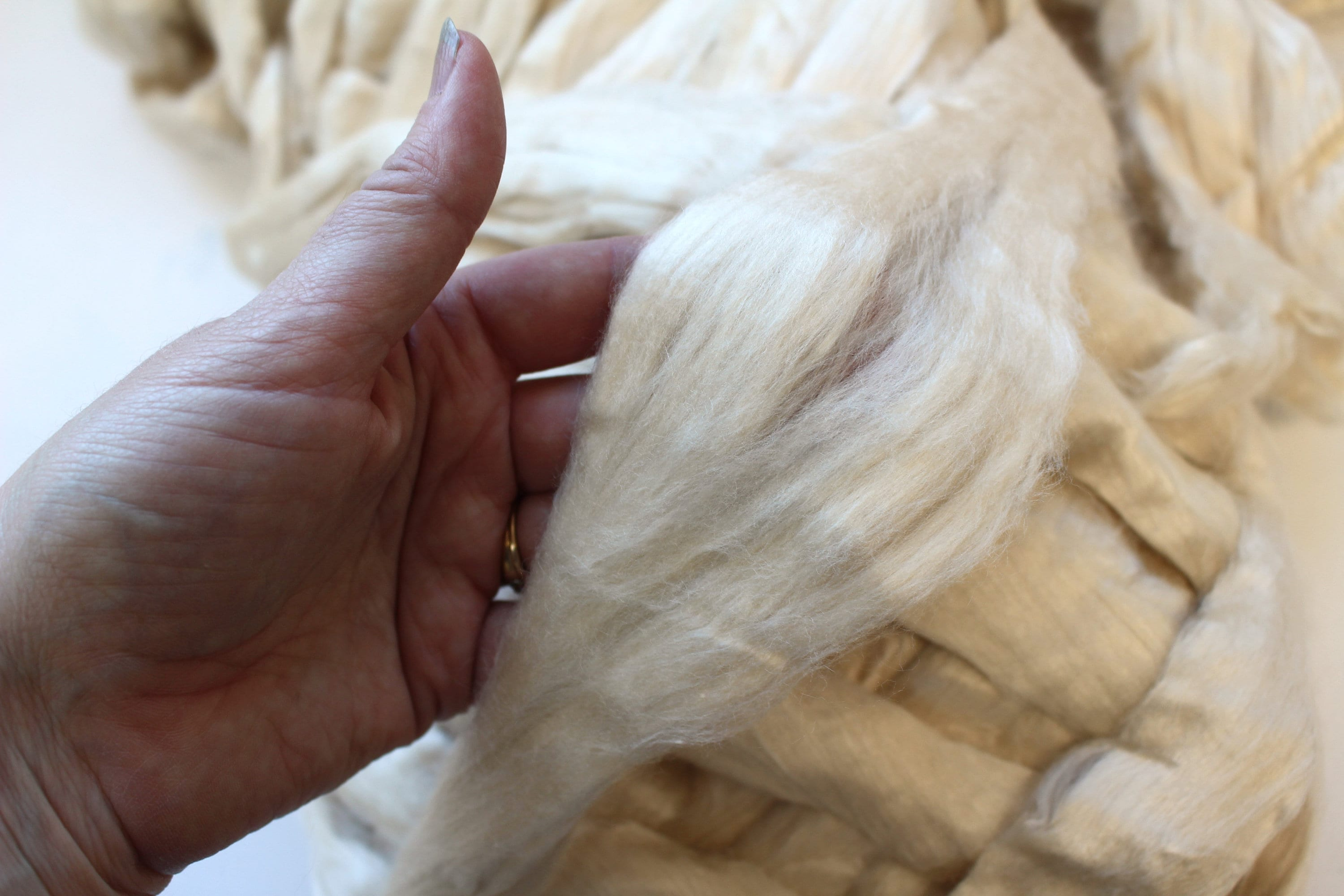 Image 3 of 6
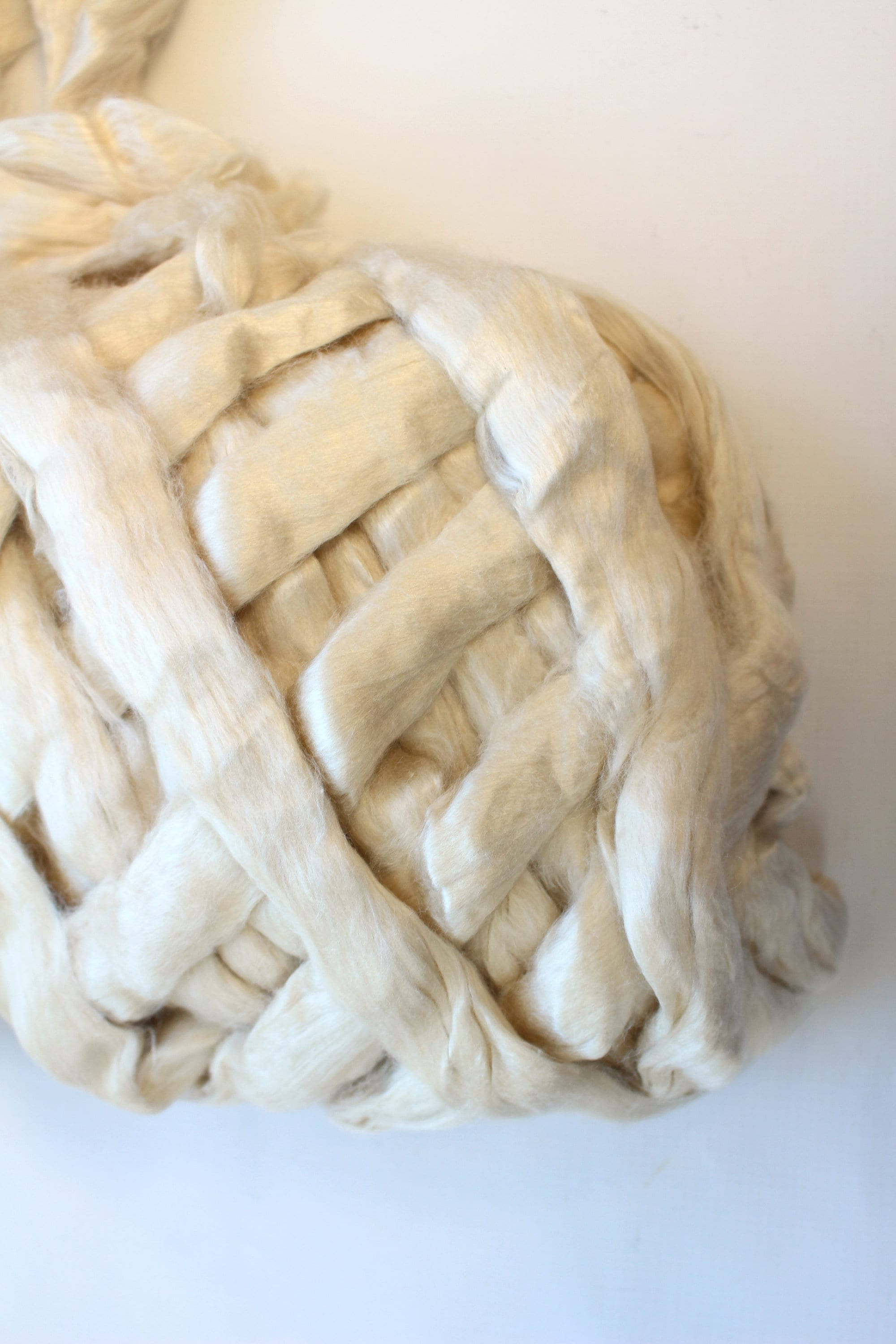 Image 4 of 6
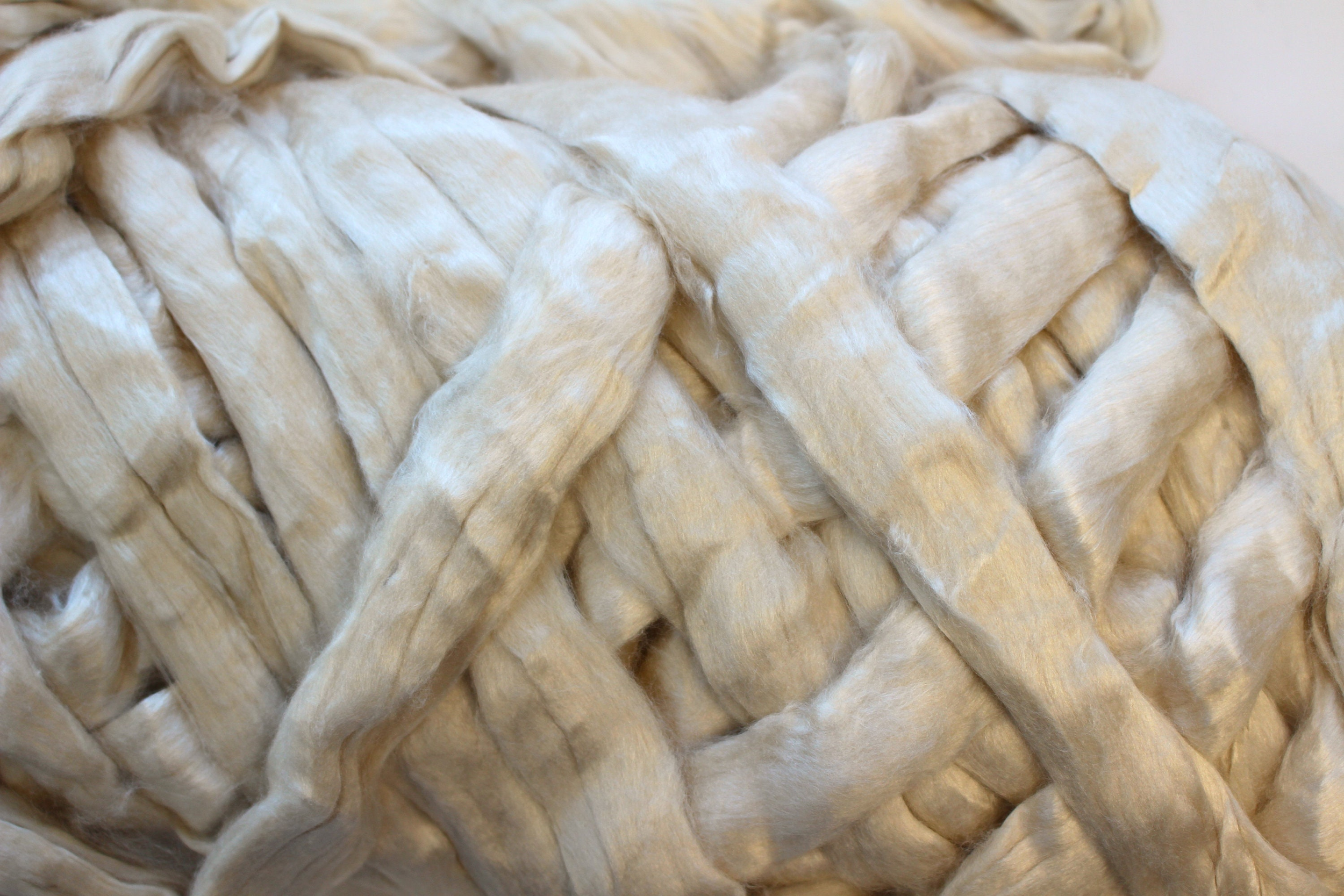 Image 5 of 6
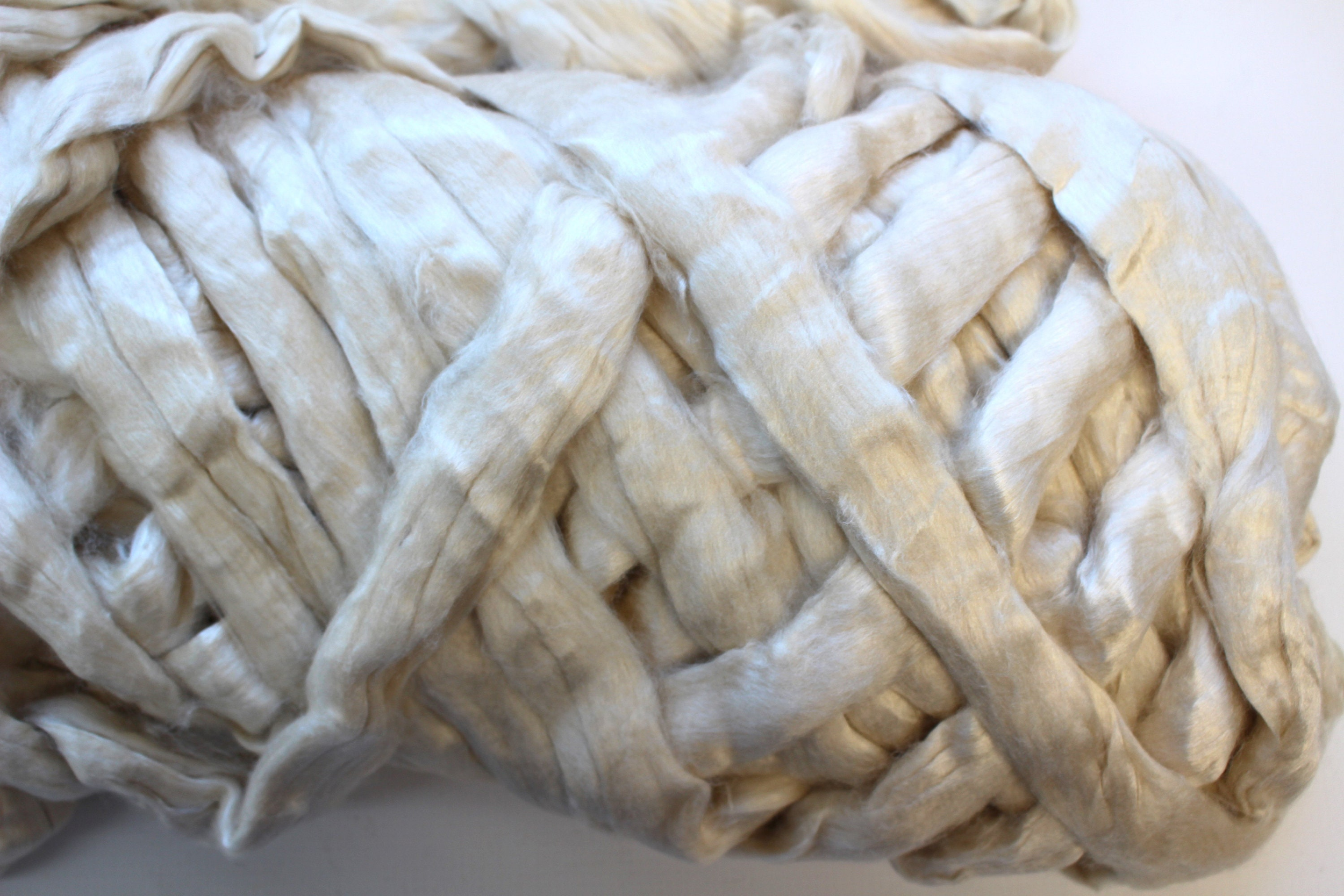 Image 6 of 6